
What Businesses Should Consider Before Changing Locations
Ever wondered why some businesses seem to thrive after a big move, while others quietly disappear? Changing locations isn’t just about swapping one ZIP code for another. It’s a complex decision that affects everything from employee morale to customer foot traffic. With remote work reshaping city cores and rising rents chasing companies out of hotspots, many are rethinking their office or storefront address. But before calling the movers, there’s a lot to unpack.
Follow the Workforce (But Don’t Lose the Culture)
Shifts in where people want to live and work are hard to ignore. From San Francisco to New York, high costs have pushed employees toward suburbs, smaller cities, and even rural areas with reliable internet. Businesses have followed, but not always with great success. Moving closer to your team may boost morale, but it could also unravel the culture that made your company special. Proximity helps, but so does having shared rituals, community ties, and a sense of place.
It’s tempting to imagine that a location change will magically fix everything from hiring to retention. But if your workplace vibe comes from spontaneous coffee chats or after-hours trivia, uprooting might do more harm than good. Hybrid setups complicate this further: a “cool new space” doesn’t mean much if half your team only visits once a week. Consider how a new spot will support—not dilute—the culture you’ve built.
Logistics and the Hidden Cost of a Moving Day
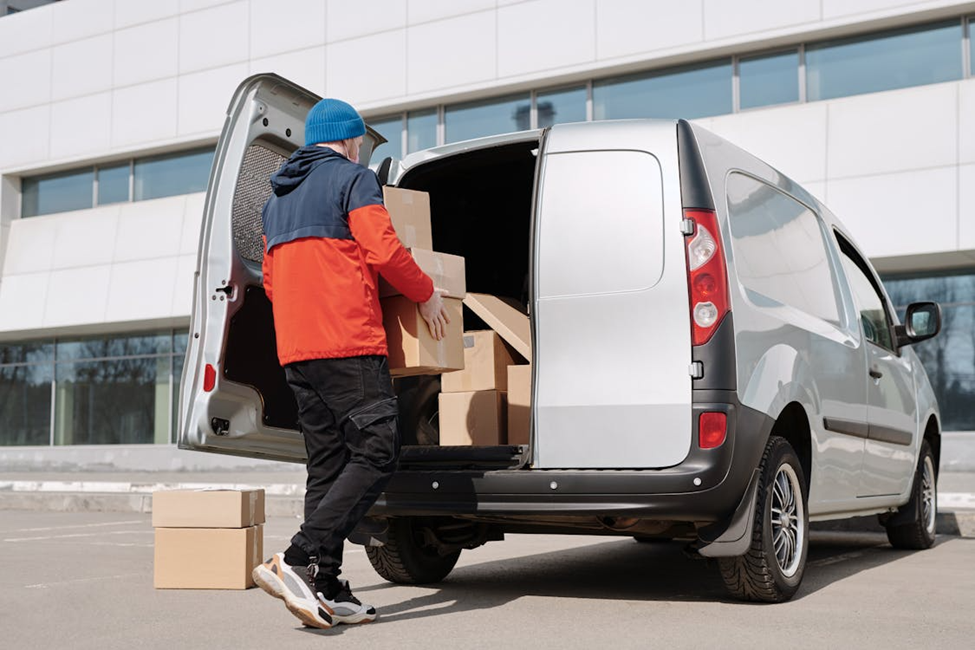
No matter how smooth you expect the transition to be, relocating a business rarely goes off without a hitch. There’s equipment to move, leases to end, and downtime that can bite into your revenue. You’ll also want to work with reliable local movers who understand the specific needs of commercial moves. It’s not just about lifting boxes; it’s about getting tech set up quickly, ensuring security systems are transferred, and knowing how to handle sensitive equipment.
Mistakes here are more than just annoying—they can be expensive. Imagine a retail business opening in a new space, only to discover their point-of-sale system is fried or their signage is sitting in a warehouse across town. Those early days at a new location are critical. Customers, clients, and staff are watching to see how it goes. First impressions matter, even when it’s your second or third act.
Don’t Ignore the Customer’s Commute
Just because your team can work from anywhere doesn’t mean your customers will follow you across town. One of the most overlooked mistakes in relocating is forgetting how attached people are to convenience. If your shop was once nestled in a walkable downtown area but moves to a remote industrial park, will your regulars still make the trip?
The same goes for service-based businesses. Clients often choose providers based on access—think parking, public transit, or even how easy it is to find your door. Moving to a cheaper location might save on rent, but it could cost you loyal customers. A quick survey or informal chat with regulars can give you clues about how they’d respond to a change. Don’t guess. Ask.
Watch the Local Economy Like a Hawk
Economic trends can shift a city’s fortune faster than most business plans can adapt. Take the post-pandemic rise of “Zoom towns”—smaller cities that flourished when remote workers fled big metros. Now, some are experiencing slower growth or housing shortages, changing the very dynamic that made them attractive. Your new neighborhood might be booming today, but will it still be three years from now?
It’s also smart to research how business-friendly your target area is. Are there tax incentives for relocating? Is the local government known for fast permitting, or are they buried in red tape? What’s the commercial vacancy rate? Data doesn’t lie. Study it. Analyze trends over time instead of falling for one good quarter.
Consider the Competition (But Don’t Let It Scare You)
Being close to your competitors can either make or break you, depending on how you play it. In some industries—like food, fashion, or fitness—clustering creates energy and draws more people to the area. But in other sectors, crowding might dilute your impact or spark a pricing war.
If you’re moving into a district that’s already saturated, you’ll need a strong differentiator to stand out. On the flip side, relocating to a business desert might make you a pioneer or leave you stranded without any foot traffic. Look at the local mix with clear eyes. Is there enough room for you to grow, or are you jumping into a battle that’s not worth fighting?
Zoning, Permits, and the Land of Red Tape
Before you sign any lease, get real familiar with local zoning laws and business permits. Many entrepreneurs assume their previous permissions transfer, only to find out their new neighborhood has stricter codes. You might need a fresh occupancy permit, health inspection, or signage approval—each with its own timeline and cost.
This is especially true for food service, salons, healthcare providers, and any industry with state or federal oversight. Missing even one form can delay your reopening and confuse customers. A move should feel like a step forward, not a bureaucratic marathon. Partner with someone who knows the local regulations—or be prepared for a crash course in civic patience.
Marketing a Move Is a Skill (Use It)
Relocating is a chance to tell your brand story all over again. It’s not just a new address; it’s a new chapter. Done well, a move can bring fresh attention, new customers, and even media buzz. But it won’t happen on its own. You need a rollout plan. That means announcements, social media content, updated Google listings, and maybe even a reopening party.
Make it clear why the move benefits your community, your clients, and your team. Don’t just frame it as a financial or logistical choice. Position it as a thoughtful evolution. Show people how the new location helps you serve them better. A little narrative goes a long way when asking people to change their habits.
Relocating a business is no small feat. It requires a combination of clear planning, deep empathy, and a willingness to rethink what really matters. Sometimes the right place is closer than you think. Other times, you have to bet on a fresh start. Just make sure you’re not trading one set of challenges for another. A new location can open doors—but only if you’ve thought carefully about who’s walking through them.