
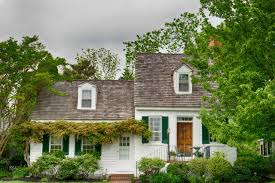
Restoring Historic Homes: Tips for Preserving Classic Charm
Restoring a historic home is both a privilege and a responsibility. These homes offer a window into the craftsmanship of the past while providing the opportunity to enjoy unique character and architectural features unavailable in modern houses. For homeowners passionate about preserving architectural heritage, it is essential to balance authenticity with contemporary needs. Partnering with experienced restoration professionals like Log Masters Restorations can make all the difference in navigating these often complex projects.
Every decision during restoration has a ripple effect on the home’s integrity, value, and legacy. That’s why a thoughtful approach grounded in research, expert guidance, and strategic planning is essential. Embracing this process means safeguarding the home’s distinctive personality for future generations—as well as for your own enjoyment—while ensuring comfort and safety for those who reside within.
Research Your Home’s History
Before any physical work begins, immerse yourself in your property’s backstory. Dive into local archives, seek old maps, blueprints, or photographs, and speak to community elders who may remember previous owners or notable changes. This research will reveal the architectural intentions behind your home’s design and shed light on changes made over the decades—guiding your restoration priorities and helping you avoid costly mistakes that diminish the property’s value or charm. Historic insight provides the foundation for all subsequent restoration decisions, making it priceless at the project’s outset.
Assess and Prioritize Structural Updates
Once you understand your home’s background, a thorough structural assessment is essential. Focus on the fundamentals: foundation, roofing, load-bearing walls, and core systems such as plumbing and electrical. Historic homes often harbor hidden threats such as outdated wiring, leaky pipes, or settling foundations, so consulting with engineers or specialized contractors is crucial. Address structural needs before diving into decorative updates—health, safety, and durability always come first.
Preserve Original Features
Historic charm is born from original features—think intricate woodwork, ornate fireplaces, crown moldings, antique tiles, and period windows. Whenever possible, restore rather than replace. For instance, original hardwood floors can often be refinished, and damaged plaster can sometimes be repaired rather than covered with drywall. The patina and craftsmanship of these elements tell your home’s story and contribute immeasurably to its allure.
Integrate Modern Amenities Discreetly
Comfort and function are crucial in today’s homes, but upgrading should never come at the expense of character. Select modern features and systems designed for subtlety—run electrical wires behind baseboards, conceal new plumbing within existing chases, and opt for ventilation or heating systems that don’t alter the home’s appearance. Energy efficiency improvements, such as weather stripping or discreet window inserts, can be modernized without compromising the visuals. For detailed strategies on blending new conveniences with historic ambiance, expert sources like Architectural Digest offer valuable guidance.
Use Period-Appropriate Materials
When repairs or additions are necessary, prioritize materials that echo the originals. Sourcing reclaimed wood or matching historic brick ensures that new sections blend with the old, avoiding jarring visual contrasts. This attention to detail maintains integrity and increases the likelihood that your work meets local preservation standards. If original materials aren’t available, look for high-quality replicas or consult with local craftsmen skilled in traditional techniques.
Engage with Local Preservation Societies
Expert advice is invaluable. Local historical and preservation societies not only offer resources, guidance, and sometimes grants or tax incentives but also help you navigate regulations that govern work on historic properties. These organizations can connect you with contractors familiar with period techniques, provide documentation required for permits, and offer advice on everything from window restoration to exterior paint selections. Engaging with these groups strengthens your restoration effort and connects you to a community of passionate stewards.
Plan for Ongoing Maintenance
The work does not end when the restoration project is complete. Regular maintenance is essential to protecting your investment and preventing deterioration. Develop a yearly or seasonal checklist that includes inspecting exterior masonry, cleaning gutters, retouching paint, and caring for original materials such as woodwork and metal fixtures. Consistent attention prevents minor issues from becoming major repairs and preserves the home’s classic charm for decades.
Balance Functionality with Charm
Ultimately, a restored historic home should be both beautiful and livable. Thoughtful design choices—like integrating sleek, energy-efficient appliances behind cabinetry that matches the original aesthetic or organizing storage in underutilized nooks—can enhance daily living without erasing history. The aim is to enrich your lifestyle while preserving the architectural personality.
Restoring a historic home isn’t just about renovation; it’s about honoring craftsmanship, preserving stories, and creating a comfortable, timeless retreat. By approaching each phase with respect, expertise, and attention to detail, you can ensure your home remains a treasured landmark for generations to come.