

How to Become a More Intelligent Investor?
Key Takeaways
- Consistent reading and education serve as the backbone of investment knowledge.
- Utilizing trusted investing platforms can help you make more informed decisions.
- Demo trading builds hands-on skills without exposing you to real financial risk.
- Mentorship accelerates your learning and provides valuable insights from experienced investors.
- Staying updated on financial news equips you to react appropriately to market shifts.
- Understanding your own risk tolerance is essential in crafting the right investment strategy.
- Developing emotional discipline helps prevent irrational decisions.
- Regularly reassessing your portfolio ensures your investments align with your goals.
Becoming a more intelligent investor is a continuous journey that blends lifelong learning with practical experience. Rather than relying solely on luck or intuition, savvy investors harness proven strategies and dedicate themselves to acquiring knowledge.
As the investing world evolves with new trends and tools, staying ahead requires a proactive approach. Whether you are just starting or looking to refine your skills, applying certain practices can dramatically improve your ability to make sound investment decisions.
The first step is to tap into advanced resources like Gamma Prime, which can provide up-to-date insights and educational materials designed for investors at every level.
Navigating today’s financial markets means understanding both foundational concepts and cutting-edge strategies. Building your investment intelligence is not just about picking the right stocks.
It is about developing the ability to analyze information, weigh risks, and act rationally even in volatile situations. Proactively leveraging resources, books, and mentorship opportunities can position you for sustained success.
Read the Latest Books
One of the cornerstones of becoming a more intelligent investor is reading continually. Start with classics such as “The Intelligent Investor” by Benjamin Graham, which lays a foundation for value investing principles.
In addition, newer books and financial literature shed light on market psychology, behavioral economics, and the shifting landscape of digital assets. Expanding your reading list to include expert opinions, autobiographies, and analytic guides allows you to see the market from multiple perspectives and adapt more fluidly.
Leverage Resources from Investing Brands
Modern investors benefit from a wealth of online resources and platforms tailored to learning and research. Established brands like Gamma Prime offer data-driven strategies, educational tools, and community insights that keep you informed about emerging trends.
These platforms also provide real-time updates, webinars, and strategy simulators, empowering you to broaden your expertise in a supportive environment. Leveraging these resources enables both novice and seasoned investors to stay ahead in the rapidly changing markets.
Practice Trading with Demo Accounts
Developing practical skills is just as crucial as theoretical learning. Practicing with demo accounts gives you exposure to real market conditions without the pressure of risking your own money. These simulated accounts are integral for testing strategies, refining your trading intuition, and learning from mistakes in a no-risk environment.
As you become more comfortable navigating the markets, transition gradually to live accounts with small sums, observing how your decision-making adapts under actual pressure.
read more : How Much Risk Is Right for Your Retirement Portfolio?
Find a Mentor
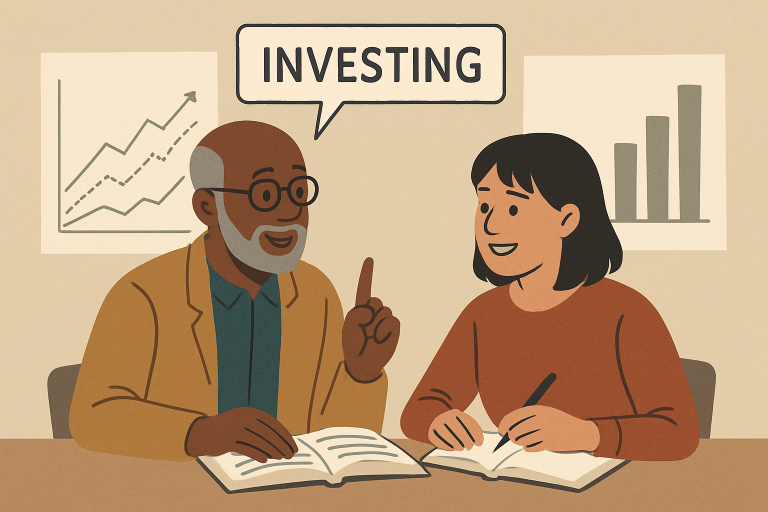
Learning directly from someone with a proven track record can fast-track your progress. A mentor provides feedback, challenges your assumptions, and shares experiences that textbooks often miss. Finding a mentor may mean reaching out through industry networking events, joining investment clubs, or participating in online forums.
Prioritize mentors whose investment philosophy aligns with your goals and whose advice is grounded in ethical practices and proven strategies.
Stay Informed with Financial News
Timely information is a critical advantage in investing. By subscribing to reputable newsletters, such as Morning Brew, or regularly visiting authoritative financial news sites like Bloomberg Markets, you will stay on top of market developments, policy changes, and corporate earnings reports. This regular exposure helps you build context for your investments and respond quickly to global events.
Understand Your Risk Tolerance
Knowing your risk tolerance can help you choose investments that fit your comfort level and financial objectives. High-volatility stocks may suit young investors who can recover from setbacks, while conservative investors might prefer bonds or dividend-yielding assets.
Your timeline, goals, and emotional reactions to market fluctuations should be regularly reassessed, especially as your financial situation changes. For more on assessing risk tolerance and shaping an investment strategy, review resources from trusted institutions, such as CNBC’s investment tips.
Develop Emotional Intelligence
Investing often involves riding out waves of fear and greed. Emotional intelligence enables you to recognize and manage your own biases, helping you avoid impulsive trades during periods of market turbulence.
Self-awareness, patience, and the ability to step back and assess situations objectively can drastically improve your outcomes. Practicing mindfulness and journaling your decisions are practical steps to strengthen this skill over time.
Regularly Review and Adjust Your Portfolio
Smart investors make it a habit to periodically review their portfolio. This means checking if your asset allocation aligns with changes in your risk profile or goals, rebalancing holdings as necessary, and being open to letting go of underperforming investments.
Annual or semi-annual reviews help prevent drift from your established strategy and keep your financial objectives in clear focus. Leading financial institutions, such as those covered at Fidelity, offer detailed guides on this essential process.
Combining continuous education, practical experience, and disciplined strategy is key to becoming a more intelligent investor. Embrace learning, build strong support networks, and regularly assess and refine your approach. With these habits, you can make smarter decisions and position yourself for long-term financial growth.