

Ensuring Fire Safety Compliance: A Guide for Property Owners
Property owners have a crucial responsibility to maintain fire safety compliance in their buildings. Not only do these measures help protect tenants and visitors, but remaining compliant also secures a property’s value and prevents costly legal issues. Adhering to regulations and keeping thorough records of your fire safety protocols can seem daunting. Still, proactive management and resources like Brycer can streamline compliance activities, reduce risks, and provide valuable peace of mind.
With fire hazards presenting severe threats to lives and property, implementing the proper precautions and staying up to date with changing requirements are vital steps for every property owner. Even with the best equipment and procedures, ongoing commitment is needed to ensure all fire protection systems function as intended when it matters most. The guidelines provided in this article can serve as a foundational roadmap for creating and maintaining an effective fire safety compliance strategy in your building or portfolio.
Understanding Fire Safety Regulations
Fire safety regulations are determined by several factors, including national model codes like the International Fire Code (IFC) and National Fire Protection Association (NFPA) standards, as well as local ordinances that reflect the unique risks of each city or jurisdiction. These regulations cover everything from the number of fire exits to the types of fire suppression equipment required for specific kinds of buildings.
Familiarity with these rules is essential to prevent accidental non-compliance. While property managers may reference national and regional codes for guidance, it is always best to confirm the latest local ordinances with your local fire department or building inspector’s office. Regular updates to laws and standards mean that fire safety measures cannot be “set and forget.” For a detailed overview of code variations nationwide, the National Fire Protection Association offers in-depth resources.
Regular Inspections and Maintenance
Scheduled inspections and preventive maintenance of fire protection systems are the backbone of compliance. In many cities, such as Philadelphia, property owners are required by law to submit certifications confirming that all fire and life-safety systems have been evaluated and are in proper working order. Failing to comply with inspection deadlines can lead to hefty fines and might even result in orders to vacate portions of the building until violations are corrected.
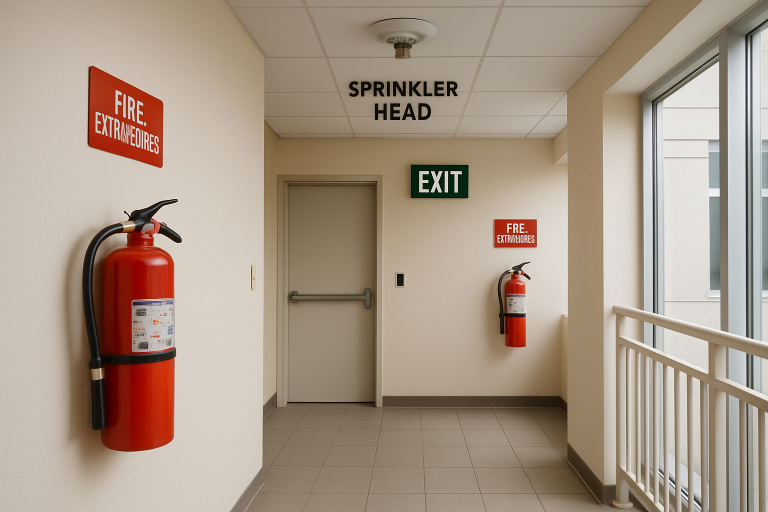
Typical inspection tasks include checking smoke and CO detectors, fire alarms, emergency lighting, sprinkler systems, and fire extinguishers. Keeping inspection and maintenance on a set schedule ensures all systems remain reliable and safe. To read more about Philadelphia’s requirements and deadlines, refer to the city government’s official notices and compliance calendars.
Implementing Fire Protection Systems
Investing in robust fire protection infrastructure demonstrates a commitment to safety and compliance. Older properties, in particular, may require substantial updates to comply with current code. For example, San Francisco mandates that pre-1975 high-rise buildings install automatic fire sprinklers as part of ongoing efforts to reduce fire damage and fatalities. Sprinkler retrofits, alarm panel upgrades, and emergency lighting installations are often required for compliance, especially after major renovations or changes in occupancy.
Utilizing the expertise of a reputable fire protection firm ensures that new fire protection systems are installed in accordance with all applicable standards and that all necessary permits and inspections are obtained. The San Francisco Chronicle has detailed coverage of the city’s sprinkler ordinances and their impact on local property owners.
Staying Informed About Local Ordinances
Because local codes can evolve quickly, especially in response to recent fire events, property owners must monitor updates from their city’s fire marshal or building department. For instance, Denver’s code update in late 2025 will require comprehensive “fire watch” procedures whenever active fire protection systems are temporarily disabled, such as during repairs or maintenance. These fire watches must be documented, continuous, and conducted by designated personnel.
Local fire department newsletters, municipal websites, and specialized resources offer timely alerts and breakdowns of how code revisions might affect your compliance obligations. Constantly evaluate how national and state codes interact with the most minor details in your city’s fire safety ordinances, as these local rules take precedence.
Engaging Professional Services
Compliance with fire regulations often requires technical expertise that extends beyond basic property management tasks. Engaging a certified and experienced fire safety service provider ensures that installations, inspections, repairs, and ongoing monitoring are performed correctly. Many firms offer complete compliance support, including documentation, 24/7 monitoring, emergency repair services, and ongoing code consultation. For example, companies like Reliable Fire Protection provide comprehensive solutions that meet all regulatory requirements while minimizing your administrative burden.
Hiring external experts helps validate your property’s preparedness and supports communication with local authorities during audits or post-incident investigations. For more information on the benefits of working with certified fire service companies, the New York Times Home Fire Safety Guide is a helpful resource.
read more : Why Lakeside Drive Residences Is a Prime Investment in District 22
Record-Keeping and Documentation
Thorough record-keeping is a core compliance obligation. Accurate documentation of all fire system installations, repairs, inspections, and employee training sessions is critical not only for passing official reviews but also for identifying trends and planning future upgrades. Maintain copies of all certification forms, inspection logs, and maintenance reports in an organized, easily accessible format, both digitally and in print if possible.
Efficient record-keeping policies save time when responding to requests from fire inspectors, insurers, and other stakeholders. Cloud-based compliance management tools can provide reminders for upcoming deadlines and maintain an auditable trail of all compliance-related activities across your portfolio.
Training and Education
A strong fire prevention strategy hinges on the ongoing education of everyone who works or lives in the building. Conduct regular fire drills to ensure quick and safe evacuations and provide detailed instructions on the use and location of fire extinguishers, alarm pulls, and emergency exits. Ensuring all staff are trained in emergency protocols reduces confusion and risk during an actual fire emergency.
Property owners should also stay up to date on best practices and emerging risks by leveraging resources from established organizations such as the National Fire Protection Association and by sharing key educational updates with occupants as part of routine safety communications.
Conclusion
Fire safety compliance is a dynamic responsibility requiring vigilance, planning, and a commitment to excellence. By building your compliance process around thorough regulation awareness, regular maintenance, professional service partnerships, diligent record-keeping, and continuous education, you create a safer property and minimize risk for everyone who works, visits, or lives in your building. Staying informed, being proactive, and utilizing digital solutions can all help streamline your compliance efforts and provide invaluable protection for your community.