
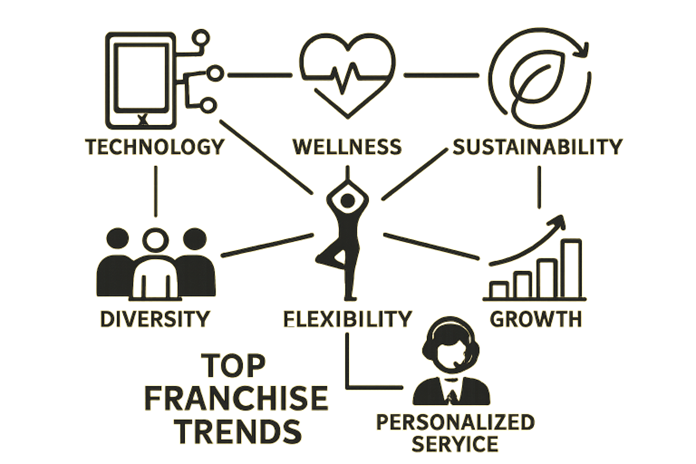
Top Trends Shaping Franchise Ownership in 2026
Franchise ownership is experiencing rapid change, influenced by breakthrough technologies, evolving consumer expectations, and economic trends. Prospective and existing franchisees must stay ahead of these shifts to ensure their long-term success and adapt their business models accordingly. Whether you are exploring franchise ownership or expanding your current footprint, working with a franchise consultant can help you navigate this dynamic landscape with greater confidence.
Ownership models are being reshaped as franchises harness new tools, appeal to shifting societal values, and prioritize growth strategies that meet modern needs. Understanding these influential trends not only helps franchisees remain competitive but also positions their businesses to thrive as the industry continues to evolve.
Consumer behavior and industry advancements show no signs of slowing. Many franchise brands are leveraging strategic support, mentoring, and guidance from seasoned professionals to keep up. Those who commit to learning from industry leaders will have an edge in capturing new opportunities in 2026 and beyond.
If you want deeper insights or expert advice on franchise ownership, connect with recognized franchising experts who can help you assess trends and identify the best opportunities.
Technology Integration
The integration of advanced technology is revolutionizing franchise operations. Artificial intelligence, machine learning, and automation are now at the core of streamlining many routine business functions. These tools are used for tasks including customer service, inventory control, scheduling, and marketing. By leveraging data-driven marketing campaigns, franchises can tailor their messaging and promotions to specific audiences, boosting customer engagement and sales. According to Entrepreneur, the use of AI in franchises is helping brands make smarter, faster decisions, ultimately improving the bottom line and operational efficiency. This technological push is quickly becoming non-negotiable for franchises that want to stay relevant.
Health and Wellness Boom
The health and wellness sector is booming, reflecting consumers’ increased focus on personal well-being. Franchises specializing in boutique fitness, clean eating, holistic nutrition, mental health services, massage therapy, and wellness spas are flourishing. This surge is driven by an ongoing demand for solutions that support both physical and mental well-being. Brands that commit to providing quality offerings and accessible wellness services are building loyal customer bases. The Entrepreneur recently spotlighted this growth, noting that the wellness economy is projected to outpace many traditional sectors for the next several years.
Sustainability and Eco-Friendly Practices
As environmental awareness grows, sustainable business practices have become a top priority for both franchisors and franchisees. From sourcing products responsibly to leveraging energy-efficient technologies and reducing single-use plastics, franchise brands are under pressure to meet consumer expectations for eco-friendly operations. Sustainable franchises are not only responding to customer demand but are also benefiting from cost savings and favorable regulatory environments. Companies focused on the environment are gaining traction in markets where green initiatives resonate with their target audiences. Many prospective owners are seeking franchises with strong commitments to social responsibility and environmental stewardship.
Rise of Mobile and Home-Based Franchises
The remote work trend, accelerated by recent global events, has driven strong interest in mobile and home-based franchise opportunities. These models offer flexibility, often require lower startup costs, and can be easier to scale or run alongside other commitments. Popular examples include mobile pet grooming, cleaning services, tutoring, and consulting businesses, all designed to bring products or services directly to customers. The asset-light approach enables entrepreneurs to avoid costly physical storefronts and adapt quickly to market changes. This flexible way of doing business aligns perfectly with today’s workforce and consumer expectations.
Diversity and Inclusion
The franchising industry is placing a renewed focus on diversity, equity, and inclusion. Forward-thinking franchisors are actively working to lower barriers and expand opportunities for underrepresented groups, including women, minorities, and veterans. By fostering inclusive teams and diversifying their franchisee base, franchises represent the evolving fabric of society and unlock new avenues for innovation and brand loyalty. Research shows that inclusive franchise systems are better positioned to serve broader markets, cultivate community ties, and create a positive organizational culture. Not only is this the right thing to do, but it also drives better financial results for both franchisors and franchisees.
Multi-Unit Ownership
Multi-unit ownership is gaining popularity among ambitious franchisees who recognize the value of scaling their investment. Owning multiple locations or territories enables operators to achieve greater economies of scale and more significant returns. It also helps franchisors grow their networks faster, accelerating their brand’s market presence. Investors who pursue multi-unit strategies often receive robust support from franchisors and develop specialized teams to manage operations. This structure enables operational efficiencies, greater brand influence, and enhanced financial stability.
Personalized Customer Experiences
Customer experience is a key differentiator in the modern franchise marketplace. Brands are using data analytics to understand consumer behaviors and preferences, thus delivering more relevant and customized products, services, or offers. Personalized marketing campaigns, custom menu items, flexible loyalty rewards, and technology-driven recommendations are becoming the industry standard across the food, beverage, health, and retail sectors. This approach not only drives repeat business but also strengthens the emotional connection between brands and customers, leading to long-lasting loyalty.
Conclusion
Franchise ownership in 2026 is defined by adaptability and innovation. Staying competitive means embracing technology, prioritizing wellness and sustainability, increasing flexibility through new models, and fostering an inclusive culture. Franchisees and franchisors who keep pace with these trends will be positioned to achieve sustainable growth and long-term success in a continually evolving business landscape.