
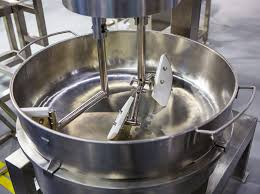
Selecting the Right Industrial Mixer: A Guide for Food Processors
Selecting the appropriate industrial mixer is a pivotal decision for food processors aiming to enhance product quality and operational efficiency. The right mixer ensures consistent texture, flavor, and safety in food products, while also optimizing production processes. Understanding which mixing technology best serves your operation, such as a ribbon mixer, can make a significant difference in meeting production goals without compromising quality.
Food manufacturing relies on precision and consistency, which are directly influenced by the capabilities of the mixing equipment. From blending dry powders to homogenizing liquids or gently folding delicate ingredients, each mixing process requires a tailored approach. Choosing an ill-suited mixer may impact product quality, lead to inefficient batch cycles, and even cause costly downtime. Making an informed choice involves a comprehensive assessment of your company’s specific needs.
Understanding Your Mixing Needs
Before diving into the myriad of mixer options, it is crucial to assess your specific mixing requirements. Evaluate the types of products you produce, the consistency desired, and the volume of your production. Consider the unique processing challenges you face, such as temperature sensitivity, viscosity, and ingredient fragility, as these factors will heavily influence your equipment choice.
This initial evaluation lays the foundation for an informed decision. By understanding your process inside and out, you can begin to identify which mixers are capable of meeting your targets for consistency, taste, and safety while maintaining operational efficiency.
Types of Industrial Mixers
Industrial mixers come in various designs, each suited for specific applications:
- Ribbon Blenders: Ideal for mixing dry powders and granules. Ribbon blenders are especially popular in the food and pharmaceutical industries.
- High-Shear Mixers: Best for emulsifying or homogenizing liquids, making them suitable for sectors like cosmetics, chemicals, and dairy processing.
- Planetary Mixers: Designed for high-viscosity materials such as dough, adhesives, or pastes.
- Paddle Mixers: Suitable for gentle mixing that preserves ingredient integrity and prevents damage to fragile items.
- Continuous Mixers: Perfect for large-scale, automated operations where nonstop production is required.
Understanding the strengths and limitations of each mixer type helps align your selection with your business goals, ensuring that your final products consistently meet the desired standards. For more guidance on mixer types and applications, resources from Food Processing Magazine are highly recommended.
Key Factors in Mixer Selection
When selecting a new industrial mixer, several interrelated factors must be taken into account to ensure optimal performance and longevity of the equipment. Each production facility will have different priorities depending on its market and product range.
Material Compatibility
Choosing a mixer made from materials compatible with your ingredients is essential for avoiding contamination and maintaining product integrity. Stainless steel is often the material of choice due to its corrosion resistance and ease of cleaning. Assessing compatibility also plays a critical role in ensuring the mixer withstands harsh cleaning protocols and aggressive ingredients.
Batch Size and Capacity
Matching your facility’s batch size to your mixer’s capacity is key to operational efficiency. An undersized mixer can create process bottlenecks and inconsistency, while an oversized model may waste energy and space. Review your historical and forecasted production volumes to select a machine that aligns with both current and future needs.
Mixing Speed and Shear
The desired end-product often dictates mixing speed and level of shear. High-shear mixers suit processes that require emulsification and homogenization. For products that demand a more delicate approach, low-shear paddle or ribbon mixers help preserve ingredient structure and prevent over-processing. Understanding these nuances ensures that product quality and appearance are not compromised.
Maintenance and Safety Considerations
Ongoing maintenance is vital to ensure your mixer operates safely and efficiently over time. Regular inspection of seals, bearings, and drive components helps prevent unexpected failures. Incorporating features such as emergency stop buttons, guard rails, and automated safety interlocks can drastically reduce workplace accidents and help you meet industry regulations. More comprehensive guidance on mixer maintenance and food safety standards can be found in publications like Food Processing Magazine.
Conclusion
Choosing the right industrial mixer is a complex process that involves a deep understanding of your production needs, product characteristics, and operational ambitions. By systematically evaluating these considerations—material compatibility, capacity, required speed and shear, and ongoing safety—you can arrive at a mixer selection that not only enhances product quality and efficiency but also protects your workforce and ensures regulatory compliance. The investment in careful mixer selection will support your business’s success in the competitive food processing sector.
read more : https://billionfire.com/