
How to Prepare Your Business Premises for a Security Emergency
Physical security tends to get pushed down the priority list – right up until something goes wrong. A break-in, a staff member locked out at the wrong moment, an evacuation that exposes gaps nobody had thought to check. By the time any of those things happen, you’re already behind.
The reality is that getting your site properly secured isn’t something you can scramble to sort out mid-incident. The hardware needs to be right, your team needs to know what to do, and the plans need to exist before they’re needed – not drafted on the back foot while something is actively going wrong.
Map Every Entry Point Before Someone Else Does
Start with a physical walkthrough – and be ruthless about it. Hit every door, gate, loading bay, and emergency exit in your building and ask yourself honestly: would this hold up under real pressure? You’re looking for lock cylinders that show wear, doors that don’t sit flush in their frames, hinges that have shifted, and any hardware that hasn’t actually been tested since the day it was installed. It sounds basic, but you’d be surprised how many businesses are quietly running on the assumption that everything still works the way it did on day one.
Your perimeter deserves the most attention. External gates and doors are the first thing standing between your business and a problem – and a compromised lock doesn’t just make life easier for someone who shouldn’t be there, it can also slow down emergency services if they need to get in fast. While you’re doing your walkthrough, make a note of which doors run on electronic access control and which ones are purely mechanical, and find out whether any of them are tied to the same system.
Write it all down as you go. Knowing what entry points you have, what kind of locks are on them, and what condition everything is in – that’s your foundation. You can’t plan around gaps you haven’t bothered to document.
Build A Response Protocol For The Moment Things Fail
Even the most fortified facilities experience hardware failures, break-ins, and lockouts. You can’t possibly mitigate every threat all the time – but you can be confident your team will respond correctly when one materializes.
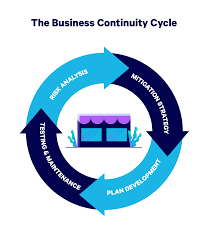
Within your business continuity plan, carve out a physical security failures section. Who can authorize emergency access? What’s the protocol when an electronic access control system crashes? What doors must be physically checked and secured following a forced entry before operations can resume?
Step one? Look for a trusted 24 hour emergency locksmith perth company. It sounds simple, but if you don’t do it during low-stress days, you might have trouble tracking down a reputable locksmith at 2am – and the risk associated with “settling” during a security hardware emergency isn’t worth it.
Especially connected systems add another factor. If your camera feed is linked in real-time with your access control system, you immediately know who breached which entry/exit point, when, and how. This data could be critical for insurers, law enforcement, or optimizing your security strategy post-incident.
Balance Lockdown With Legal Egress Requirements
Many commercial properties face a specific, dangerous problem: secured against external threats, they lock people in. Fire code compliance isn’t optional, and the rules exist because people die when they can’t exit a building. Panic bars allow single-motion egress and can save lives. In this case, prevention is worth much more than a pound of cure.
If an exit is padlocked shut (say, to prevent unauthorized entry out of hours), then that’s a safety violation waiting to happen. Fixing it now, before disaster strikes, is the no-brainer move.
The access control issues aren’t limited to physical exits, either. Digital security often fails to mesh with the real world in a crisis. Where you should have electronic locks that pop open when the fire alarm sounds – freeing everyone to get out quickly and safely – maybe you have locks that stay resolutely shut. Or where you need to delay the unlocking mechanism to prevent people who’ve broken in from fleeing and make it easy for first responders to enter. Fixing those issues now can make your building much safer.
Manage Key Control Before A Lockout Exposes Your Gaps
A master key system allows selected supervisors to unlock any room in the building, instead of having to handle a fistful of keys. That could be the difference in an emergency evacuation. The speed at which you can leave and subsequently re-check rooms, ensure nobody’s hiding in restrooms, and secure offices or cash rooms determines how safe your people and property remain.
Add restricted keyways, where keys can only be copied by presenting a signed authorization from your company, and you eliminate another access point. A restricted keyway cannot be copied at a hardware store. For operational safety, you should do a key audit every twelve months to ensure you know exactly who has access to which keys, and to ensure your system’s master keys still align with your existing management structure.
Treat Preparation As An Ongoing Practice
An audit of security that is completed just once and then forgotten is something that quickly loses value. Set a calendar reminder to repeat your physical security audit every 12 months, or after any major change to your building or staff. The preparedness of companies that react well to security incidents is not because they have intricate systems – it’s because they have already considered what could possibly go wrong.
read more : 5 Examples of When Refinancing Your Mortgage Actually Makes Financial Sense