
Eating, Speaking, And Smiling Again After Tooth Loss In St. Louis, Missouri: A Practical Guide
Tooth loss can change far more than a smile. In St. Louis, where meals may mean sharing toasted ravioli with family, enjoying barbecue with friends, or speaking up at work, missing or unstable teeth can make ordinary moments feel more complicated. The right replacement option can support comfort and function, but each person’s needs, oral health, budget, and treatment goals are different.
For people comparing local options, New You Smile provides information on snap on dentures St. Louis, MO, that patients may consider when traditional dentures feel loose. The St. Louis practice focuses on implant dentistry and denture solutions, and its implant-supported denture page explains how removable or fixed dentures can be supported by implants after individualized planning. That can be a helpful local perspective for people throughout the St. Louis area who want to discuss stability, chewing, and long-term care with an experienced dental team.
How Tooth Loss Can Change Daily Life
Missing teeth can affect how food is bitten and chewed, the clarity of certain sounds, and the support they provide to the lips and cheeks. The impact varies widely. Someone missing a single back tooth may notice changes mostly at mealtimes, while a person with several missing teeth or a loose full denture may begin to avoid restaurants, photographs, or longer conversations.
For example, a St. Louis office worker might stop ordering crunchy salads at lunch because chewing feels uncertain, then speak less during meetings because a denture clicks or shifts. These experiences are not simply cosmetic concerns. Feeling comfortable enough to eat, laugh, and participate in daily life matters.
Why Eating May Feel Different
Changes In Chewing
Natural teeth work together to cut, tear, and grind food. After tooth loss, foods that are hard, sticky, stringy, or tough can be harder to manage, especially when a removable appliance moves against the gums. A well-fitting denture can improve function, but it will not necessarily feel identical to natural teeth right away.
Food Choices And Nutrition
During an adjustment period, softer nutrient-rich foods can make meals more manageable. Eggs, yogurt, fish, beans, oatmeal, soups, cooked vegetables, and tender fruit are practical choices. Gradually reintroducing more challenging textures can be easier than expecting to eat every food comfortably on day one. Full, partial, and implant-retained denture options may differ in how they receive support and how they are cleaned.
Speech, Confidence, And Social Comfort
The tongue, lips, teeth, and palate all contribute to speech. A new denture can temporarily change airflow or the way the tongue contacts the mouth, making some words feel unfamiliar. Reading aloud for a few minutes each day, practicing difficult sounds, and speaking at a measured pace can help the mouth adapt.
Persistent slipping, clicking, pain, or unclear speech should not be ignored. These symptoms can indicate that an appliance needs an adjustment or that another treatment option should be discussed. Tooth replacement is about appearance, but it is also about feeling at ease during conversations, celebrations, and everyday errands.
Common Tooth-Replacement Options
Traditional And Partial Dentures
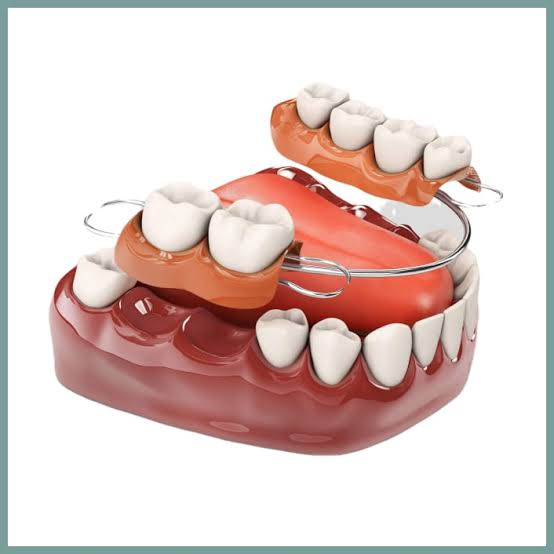
Complete dentures replace all teeth in an upper or lower arch and rest on the gums. Partial dentures replace several missing teeth and commonly use remaining teeth for added support. These options may have a lower initial cost than implant treatment and do not require implant surgery. However, they can require adjustments as the mouth changes, and some people experience movement or sore spots.
Dental Bridges
A dental bridge replaces one or more missing teeth by relying on nearby teeth or dental implants for support. It may be appropriate when the supporting teeth and surrounding tissues are healthy enough for the planned design. A dentist can explain whether a bridge is realistic when multiple teeth are missing or when adjacent teeth are already compromised.
Implant-Supported Dentures
Implant-supported dentures connect to dental implants placed in the jaw. They may be removable for cleaning or fixed in place, depending on the design. Potential benefits include greater stability while eating and speaking. Treatment can involve surgery, healing time, follow-up appointments, and a higher initial investment.
- Traditional dentures: Removable, gum-supported, no implant surgery, and may require adhesive or periodic adjustments.
- Partial dentures: Removable, supported by gums and remaining teeth, and dependent on the health of those teeth.
- Bridges: Usually fixed, supported by adjacent teeth or implants, and suited to specific patterns of tooth loss.
- Implant-supported dentures: May be removable or fixed, involve implant surgery, and require ongoing home and professional care.
Tips For Adjusting To New Dentures
- Start with small bites and softer foods.
- Chew on both sides to help distribute pressure with removable dentures.
- Read aloud daily to practice pronunciation.
- Use a mirror while practicing difficult sounds.
- Keep track of sore spots and describe them clearly at adjustment visits.
- Follow the treating dental professional’s instructions for wearing and removing the appliance.
- Allow time for adaptation, while recognizing that ongoing pain should be evaluated.
When Denture Stability Becomes A Concern
Frequent rocking, slipping, falling out, or clicking is not something a person simply has to accept. A dental visit is appropriate when there are repeated gum sores, bleeding, trouble eating foods that were previously manageable, major changes in bite, visible cracks, or a growing reliance on large amounts of adhesive. Daily denture care guidance from the American Dental Association also notes that adhesive is not a substitute for correcting an ill-fitting denture.
Daily Care And Maintenance
Removable dentures should be cleaned daily to remove food particles, plaque, and stains. Follow the cleanser and soaking product directions, avoid hot water, which could warp the appliance, and clean the gums, tongue, palate, and any remaining natural teeth. Implant-supported dentures also need careful cleaning and routine professional maintenance, even when they feel very secure.
Questions To Ask At A Dental Visit
- Which replacement choices fit the current condition of my mouth?
- Are my remaining teeth healthy enough to support a bridge or partial denture?
- Is there enough bone for implants, or would preparatory treatment be needed?
- Would a removable or fixed design better suit my daily routine?
- How long could treatment take, including healing and final restoration?
- What adjustment, maintenance, and future replacement costs should I plan for?
A Practical Next Step
No single solution is right for every person in St. Louis. Better comfort often begins with a careful evaluation, realistic expectations, consistent care, and a treatment plan built around the foods, conversations, and activities that matter most to you.