
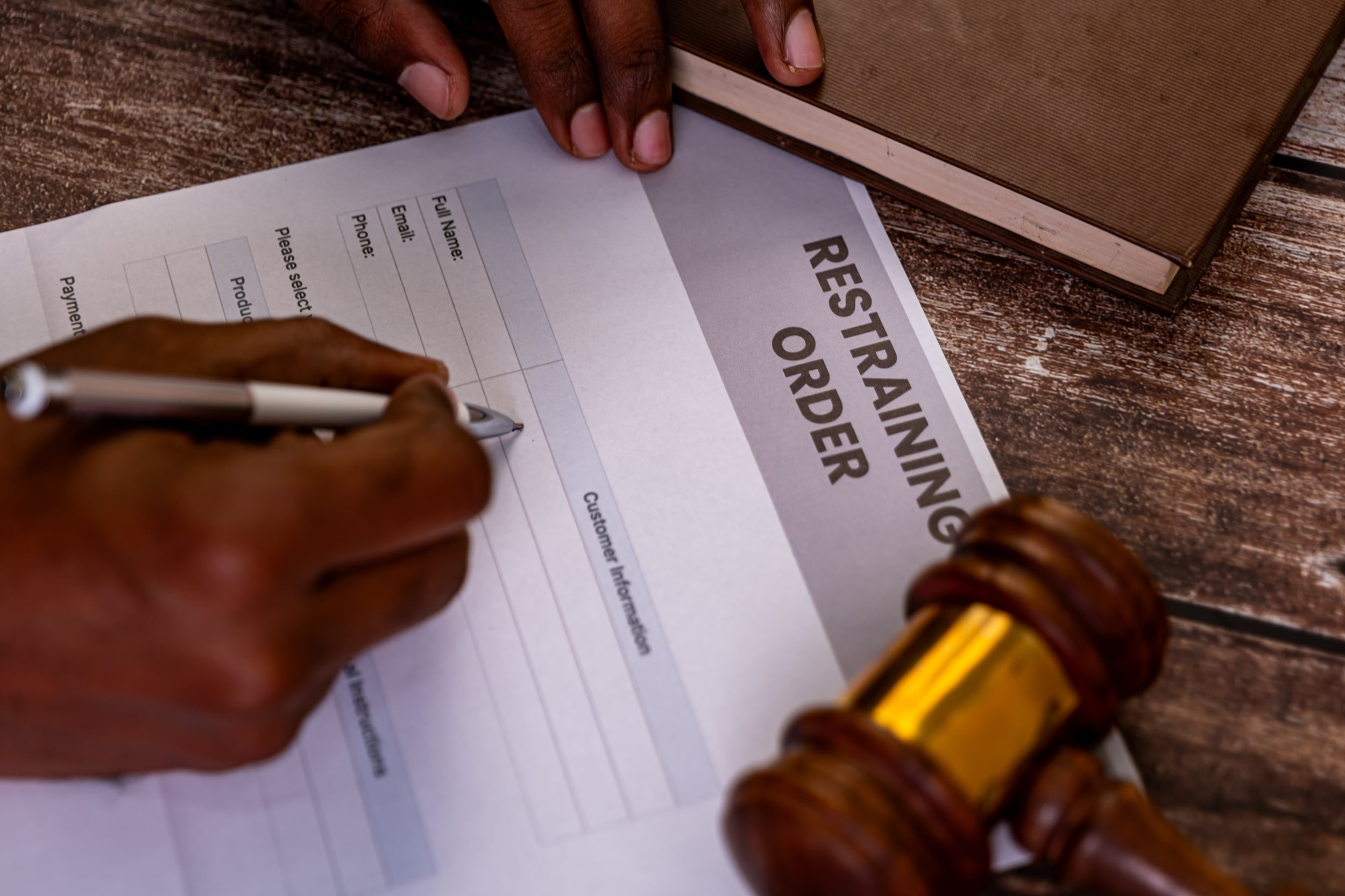
How Domestic Violence Restraining Orders Work and Your Legal Options
When someone you live with, date, or share a child with starts hurting, threatening, or controlling you, it can be hard to know where to turn. A domestic violence restraining order is a civil court order that can tell an abuser to stay away, stop contacting you, and in some cases move out of a shared home.
Courts take these requests seriously, and the process moves faster than most people expect. Learning about your legal options for a domestic violence restraining order before you file, or before your hearing if you have been served, can help you protect yourself and avoid mistakes that are hard to undo.
What Is a Domestic Violence Restraining Order?
A domestic violence restraining order is a court order meant to protect a person from abuse by someone close to them. The case is usually started by the person who needs protection, called the petitioner, against the person the order is aimed at, called the respondent. The order is not a criminal conviction, but breaking it can be a crime, and having one issued against you can affect your gun rights, your time with your children, and your background check.
Who Can Ask for One?
These orders are built for abuse within close relationships. In most states, that includes spouses and former spouses, people who are dating or used to date, people who live together or once did, parents who share a child, and close relatives. If the person harming you is a neighbor, coworker, or stranger, a separate type of harassment order may be the better fit.
What Counts as Abuse?
Many people think abuse has to mean physical violence, but the legal definition is usually much wider. Depending on where you live, it can include hitting or pushing, sexual assault, threats, stalking, repeated harassing messages, and destroying property. Some states also treat patterns of control as abuse, such as cutting someone off from friends, tracking their location, or taking over their money.
How the Process Usually Works
Each state has its own forms and deadlines, but most cases follow a similar path. In an emergency, police may be able to get an emergency order from a judge right away, which lasts a few days. The person seeking protection then files a request with the court, often with no filing fee, and a judge can grant a temporary order the same day that lasts until a full hearing.
The respondent must be formally served with the papers and the hearing date. At the hearing, both sides can tell their story, show evidence, and bring witnesses. If the judge decides the abuse happened, the court can issue a longer order that may last for years.
What a Restraining Order Can Require
A restraining order can be shaped to fit the situation. Most include a no-contact rule that covers calls, texts, social media, and messages passed through other people, along with a stay-away distance from the protected person’s home, job, and school. A judge may also order the restrained person to move out, turn in firearms, and follow temporary child custody rules, and protection can extend to children, relatives, or pets.
Your Options If You Need Protection
If you are in danger right now, call 911 first. Once you are safe, write down what has happened with dates and details, and save texts, voicemails, photos of injuries or damaged property, and the names of anyone who saw what happened.
It also helps to think about what protection you actually need, such as a move-out order, custody terms, or firearm surrender. Asking for the right terms at the start makes the order more useful. Plain-language guides such as WomensLaw.org’s state-by-state restraining order information can help you learn the specific rules and forms where you live.
Your Options If You Have Been Served
Being served can be frightening, especially if you believe the claims are false. The order is not automatic. The person who asked for it still has to prove their case at the hearing, and you have the right to respond, present your own evidence, and question witnesses.
The most important rule is to follow the temporary order exactly, even if you think it is unfair. Breaking it can lead to arrest and hurt your case, and missing the hearing can let the judge grant the order based only on the other person’s account. Keep every related message and call log, and if a criminal case is also open, talk to a lawyer before you testify.
Why Legal Guidance Can Make a Difference
You do not have to hire a lawyer to file for or fight a restraining order. But the hearing works like a short trial, and the result can affect your safety, your home, your children, and your record for years. A lawyer who handles these cases can help you gather the right evidence and prepare for the hearing.
Frequently Asked Questions
How long does a domestic violence restraining order last?
It depends on the type of order. Emergency orders usually last only a few days, and temporary orders last until the court hearing. An order issued after a hearing can last for years in many states.
Does the abuse have to be physical?
No. In many states, threats, stalking, repeated harassment, and controlling behavior can all count as abuse, even when there are no visible injuries or physical contact.
What if the protected person contacts me first?
The order applies to the restrained person no matter who reaches out. Answering a call or text can still count as a violation, so the safest choice is to follow the order and let the court change it.
Taking the First Step Toward Protection or a Defense
A domestic violence restraining order can keep someone safe, and it can also change the life of the person it names for years to come. Whichever side you are on, acting early, keeping good records, and understanding the rules in your state will help you make better decisions about what happens next.