
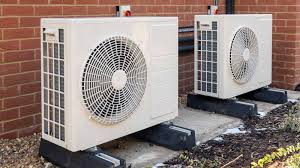
Are Heat Pumps the Future of Home Heating Systems?
Homeowners today are increasingly concerned about rising energy costs, environmental sustainability, and long-term solutions for indoor comfort. As a result, many are exploring alternatives to traditional furnaces and boilers. Among the most promising options are heat pumps, which offer a remarkably efficient and eco-friendly approach to year-round climate control. If you want to install a heat pump system in Toronto, understanding how these systems work and why they’re gaining traction is essential for making an informed decision.
Heat pumps differ widely from combustion-based systems. Rather than creating heat, they transfer it between spaces, a method that uses less energy and produces fewer emissions. This operational distinction, along with the ability to both heat and cool with a single system, makes heat pumps increasingly popular across North America and Europe.
Recent years have seen significant growth in heat pump installations, and experts predict this trend will accelerate as efficiency increases and governments back cleaner technologies. Homeowners also benefit from improved comfort, reduced utility bills, and government incentives that help make these units more affordable to purchase and operate.
For those evaluating whether to transition away from fossil-fueled heating, heat pumps offer a compelling argument. The combination of innovation, policy momentum, and environmental stewardship places them at the center of the heating discussion for homes of the future.
Understanding Heat Pumps
Heat pumps operate on a simple principle: they move heat instead of generating it directly. This is achieved through a cycle of evaporation and condensation, enabling the system to extract heat from the air or ground outside the home and bring it indoors, or reverse the process to provide cooling during hotter months. With average efficiency ratings well above those of standard furnaces, air-source models can outperform traditional systems, achieving typical efficiencies of around 265 percent. Ground-source or geothermal models can be even more impressive, with efficiency rates up to 324 percent. According to Wired, these systems’ ability to produce more heat energy than the electrical energy they consume makes them a top recommendation for energy-conscious households.
read more : https://billionfire.com/
Government Initiatives and Incentives
Recognizing their environmental benefits, governments worldwide are promoting heat pump adoption. In the United States, government coalitions have set ambitious targets to quadruple current installations by 2030, with similar supportive policies emerging in the United Kingdom and throughout Europe. A notable example is the reform of planning permissions in the UK, which has helped speed up installations and adoption rates. These policies aim to reduce barriers, streamline approval processes, and encourage the replacement of fossil-fueled heating systems with efficient, low-carbon alternatives.
Technological Advancements
Concerns about heat pump performance in cold climates have historically limited their adoption in regions with harsh winters. However, modern models are transforming those perceptions. Innovations have delivered systems that perform efficiently at temperatures as low as -15 degrees Fahrenheit, making them viable even in northern climates. Features such as variable-speed compressors and advanced refrigerants contribute to quieter operation and more consistent comfort. The New York Times recently evaluated several new models, noting their significant improvements in both heating capacity and energy consumption during cold spells.
Economic Considerations
While initial costs for heat pump installation are often higher than for basic furnaces or boilers, these expenses are increasingly mitigated by long-term energy savings and incentives. Tax credits, rebates, and government-backed financing programs, such as those offered under the Inflation Reduction Act, provide financial support for homeowners making the switch. Ongoing operational savings, often amounting to hundreds of dollars per year in reduced utility bills, can further offset the upfront investment over time.
Environmental Impact
Heat pumps have a smaller environmental footprint compared to traditional combustion-based heating. By utilizing electricity rather than burning fuel, they drastically cut greenhouse gas emissions. This attribute directly supports national and global sustainability goals, including those aimed at achieving net-zero emissions. Many energy experts and green organizations emphasize the crucial role heat pumps play in the broader shift away from fossil fuels and toward a more sustainable residential energy future.
Challenges and Considerations
Despite their clear benefits, heat pumps do face certain barriers to widespread adoption. In some regions, the availability of experienced installers and service technicians can limit homeowners’ options. Furthermore, older or less well-insulated properties may require additional upgrades to benefit from heat pump efficiency fully. Technical advancements and the expansion of workforce training programs will remain essential to overcoming these challenges and ensuring reliable installations across all climates.
Comparative Analysis with Traditional Systems
Heat pumps offer a distinct advantage over conventional heating systems by providing both heating and cooling in a single unit. Their operational flexibility, typically higher efficiency, and potential to reduce heating bills set them apart from gas- or oil-fired furnaces. Unlike baseboard or forced-air systems that only work in one season, heat pumps serve as an all-in-one solution, streamlining home comfort and simplifying annual maintenance.
Conclusion
The combination of technology, policy, and environmental awareness positions heat pumps as a leading contender for the future of home heating systems. With further advancements and support, these units are poised to become the standard for efficient, cost-effective, and sustainable home comfort.