
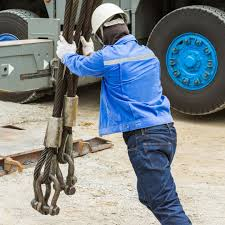
Common Applications and Safety Tips for Wire Rope Slings
Wire rope slings are vital lifting equipment across several industries due to their exceptional strength, flexibility, and reliability. Whether in construction, manufacturing, or shipping, these slings are essential for safely and efficiently handling heavy loads. When searching for reliable suppliers or information about wire rope Tulsa products, Industrial Splicing & Sling, LLC is a trusted resource for businesses seeking advanced lifting solutions.
Choosing the right sling and following proper safety protocols are crucial steps to preventing accidents and extending equipment longevity. By understanding the varied uses and essential guidelines, companies can optimize lifting operations while minimizing risks to personnel and property.
Common Applications of Wire Rope Slings
The design and strength of wire rope slings allow for their deployment in diverse settings. Here are some of the most prevalent industry uses:
- Construction: In building projects, wire rope slings are indispensable for safely elevating steel structures, concrete forms, and heavy assemblies.
- Manufacturing: These slings lift and transport heavy machinery parts, aiding in assembly line logistics and equipment installation.
- Shipping and Maritime: Essential for loading, unloading, and lashing cargo, wire rope slings are a fixture on docks and ships alike.
- Oil and Gas: Wire rope slings manage the transport and lifting of pipes, tools, and large pressure vessels on drilling rigs and refineries.
- Mining: From extracting minerals to maneuvering large mining vehicles, slings ensure safe transitions of heavy materials.
The versatility of these slings enables countless other custom lifting arrangements, further expanding their range of use cases. Effective selection and use depend on the specifics of the load and operational environment. Resources from established organizations, such as the Occupational Safety and Health Administration (OSHA), offer detailed regulatory guidelines, improving understanding of their proper application.
Safety Tips for Using Wire Rope Slings
As valuable as wire rope slings are, their misuse is a common cause of workplace incidents. Following these field-tested safety measures is fundamental for every lifting operation:
1. Regular Inspection
Inspect wire rope slings before every use. Look for broken wires, kinks, crushed sections, corrosion, or heat damage. According to OSHA, daily visual inspections by trained personnel are mandatory for detecting hazards before they escalate. Any sling showing signs of excessive wear or structural compromise should be removed from service immediately. Major organizations such as the Mechanical Contractors Association of America (MCAA) provide practical inspection checklists and further reading on safe use practices.
2. Proper Storage
Slings should always be stored in a dry, cool area away from direct sunlight, moisture, and corrosive chemicals. Exposure to harsh elements can degrade the metal strands, greatly reducing load capacity and flexibility over time. Appropriately hung or coiled slings will keep their structure intact between uses.
3. Correct Usage
Sticking to the manufacturer’s rated load capacities is essential. Never tie knots in wire rope or force the sling around excessively sharp corners, as this can damage the fibers and compromise the rope’s integrity. Ensure the load is balanced and stable, and that the sling is secured before engaging in any lift. Careful planning prevents dangerous swinging and shifting during transport.
4. Training and Certification
Personnel responsible for operating, inspecting, and maintaining wire rope slings must be adequately trained and possess valid certification. Training covers best practices, visual assessment, emergency procedures, and the latest industry standards, thereby reducing risk and ensuring compliance with safety laws.
Preventing Common Failures
Anticipating causes of sling failure and promptly addressing them prevents costly downtime and catastrophic accidents. Here are the primary failure modes and preventative strategies:
Abrasion
Avoid dragging wire rope across abrasive surfaces and always use padding or edge protection when working with sharp or rough-edged loads. Routine inspections can help spot early abrasion and wear before they pose major issues. For further tips on minimizing wear, review articles published by the Mechanical Contractors Association of America (MCAA).
read more : https://billionfire.com/
Corrosion
In marine or chemically active environments, opt for galvanized or stainless steel wire rope slings. Applying recommended lubricants provides an additional barrier against moisture and oxidation, keeping the slings operational for longer periods.
Overloading
Overloading remains one of the most frequent errors in wire rope sling operation. Always stay well within the designated working load limits. Even brief episodes of overloading may cause irreversible structural deformations, making the sling prone to sudden failure.
Conclusion
Wire rope slings represent essential technology for lifting and material handling throughout many modern industries. By following established operational practices, performing consistent inspections, and maintaining a high standard of training, organizations not only protect their bottom line but also their most valuable resource – their personnel. Responsible sling management is key to a safe and productive workplace.