
What Is An ECHST Charge On A Bank Statement?
An ECHST charge on a bank or credit card statement is commonly associated with ECHST.NET, an online payment service. The provider says its descriptor relates to an online purchase, often from an entertainment website. It offers customer support for membership access, billing questions, and cancellation requests. Seeing the descriptor does not prove who made the purchase or whether the transaction was authorized. A family member, another card user, or an online subscription may explain the payment. If nobody recognizes it, treat it as an account-security issue and contact the card issuer promptly.
What Does ECHST Mean On A Bank Statement?
ECHST.NET describes itself as an online payment provider serving multiple online merchants. The name shown on a card statement may differ from the website where the original purchase occurred. This is common with payment facilitators and subscription platforms. The provider’s FAQ says a statement entry containing ECHST.NET generally relates to an online purchase, usually involving an entertainment website. That explanation can help identify the payment channel, but it does not identify the exact product or prove authorization. For another example of an unfamiliar billing label, see this explanation of a GSI charge descriptor. ECHST’s official billing FAQ describes the descriptor and support options.
Does An ECHST Charge Always Mean A Subscription?
No. A single charge may be a one-time purchase, while repeated charges may indicate a recurring plan or several purchases. Compare the amount, transaction date, and frequency with emails, account registrations, and online purchases. Search inboxes and spam folders for receipts, trial confirmations, membership notices, and cancellation emails. If another authorized cardholder uses the account, ask whether they made a purchase before reporting the transaction as fraud.
How Can You Identify An ECHST.NET Transaction?
Record the exact descriptor, amount, posting date, currency, and whether the payment is pending or completed. A pending authorization may change or disappear, while a posted transaction has reached the account ledger. Search for the exact descriptor and amount in email. Review digital-content subscriptions and entertainment-site accounts. Ask ECHST support to identify the merchant, purchase date, order reference, membership status, and recurring billing terms. Do not send a full card number, password, PIN, or one-time code.
How Can You Contact ECHST.NET And Cancel Billing?
ECHST.NET’s published FAQ lists telephone support at 1-866-452-5108, online chat, and support@echst.net. Verify current details on the official website before contacting the provider. If you identify a membership you no longer want, request cancellation of recurring billing and ask for written confirmation. The provider says a cancellation confirmation email is sent automatically. Check the inbox and spam folder, save the case number, and monitor the next billing cycle.
What Should You Do If You Do Not Recognize The Charge?
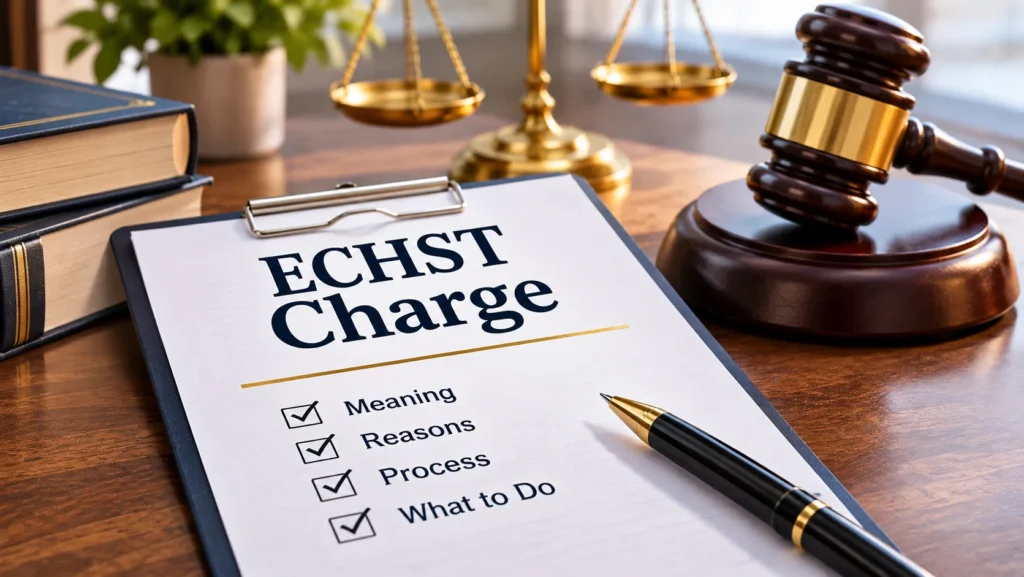
Contact the card issuer using the number on the card or the official banking app. Ask whether the transaction was online, recurring, card-present, or processed through a digital wallet. If no authorized user recognizes it, report it as unauthorized and ask the issuer to open a dispute or fraud investigation. Ask about reporting deadlines, evidence requirements, and provisional-credit rules. Credit-card billing disputes and debit-account electronic transfers may follow different U.S. laws and procedures. For a separate legal topic, this guide explains what may happen after a first-offense gun charge in Michigan. The CFPB’s Electronic Fund Transfers guidance explains U.S. consumer-transfer protections.
What Evidence Should You Keep During A Dispute?
Keep a statement copy showing the descriptor, date, and amount. Retain correspondence, cancellation confirmations, chat transcripts, and the bank’s case number. Do not edit original records or delete emails. If the charge appears with other unfamiliar transactions, report the entire pattern. Change passwords for affected shopping and email accounts, enable multifactor authentication, and remove saved payment details where appropriate.
How Can You Avoid Similar Billing Confusion?
Before entering card details on a digital-content website, read the checkout terms and identify whether the price is one-time or recurring. Check the trial period, renewal date, cancellation process, and merchant name that may appear on the statement. Save order confirmations and keep a list of subscriptions and renewal dates. Enable transaction alerts and review statements regularly. Never share a one-time passcode with someone claiming to cancel a charge. The word “charge” also appears in gaming contexts, such as the Charge Blade in Monster Hunter World, which is unrelated to card billing.
How Should You Handle A Dispute With Both The Provider And Your Bank?
The provider and card issuer have different roles. ECHST may be able to locate a membership or explain a merchant reference, while the bank controls the card account and formal dispute process. If the charge seems unauthorized, notify the issuer promptly rather than waiting for a lengthy customer-service exchange. Record the date, representative, and case reference. If a family member may have used the card, check with authorized users and explain the facts accurately to the issuer.
How Should You Respond If The Charge Is Pending?
A pending card entry is not always the final amount. Some merchants place an authorization before submitting the completed payment, and the pending line may later be replaced or removed. Ask the issuer whether the entry is an authorization hold or a posted transaction. If the payment is still pending, the bank may have limited ability to dispute it immediately, but it can still advise you about blocking the card or securing the account. Keep checking the statement until the entry settles or disappears.
What If The Amount Does Not Match A Receipt?
Compare the receipt’s currency, tax, exchange rate, and billing date with the statement. International or online purchases may show a converted amount or a descriptor that differs from the website’s display name. Ask the provider to explain the amount and the bank to identify any foreign transaction or conversion fee. A difference is not automatically fraud, but unexplained additional amounts should be raised with the issuer.
Can You Stop A Recurring Payment Through The Bank?
Ask the issuer whether it can block future recurring payments from the merchant or revoke a payment authorization. The available process depends on the card network, account type, and jurisdiction. Cancelling a card may not always end a contractual subscription, so contact the provider as well. Keep evidence of both requests and check subsequent statements.
What If You Have Never Used An Entertainment Website?
A descriptor can appear even when the cardholder does not remember the merchant’s brand. A payment may have been made through a partner checkout, a trial offer, or an account created with a different email address. Search all email addresses that authorized users may have used. Do not create a new account through an unsolicited link to investigate the charge. Ask the provider to identify the underlying merchant and the account reference connected with the payment.
How Do You Protect Yourself During A Support Call?
Call only a number verified on the provider’s official site or your card issuer’s website. A support representative may ask for limited information to locate a transaction, but should not need your banking password, full card security code, or one-time authentication code. If a caller asks you to install remote-control software or transfer money to a safe account, end the call. Report the incident to your bank. When you speak with the issuer, distinguish between a transaction you recognize but want to cancel and a transaction you never authorized. Those are not necessarily the same dispute category. Give an accurate account of whether you or another cardholder may have enrolled in a service. If you suspect identity theft, ask the issuer what additional steps are appropriate, including account monitoring and replacement credentials. Keep a dated record of every contact so that later representatives can follow the same timeline.
When you speak with the issuer, distinguish between a transaction you recognize but want to cancel and a transaction you never authorized. Those are not necessarily the same dispute category. Give an accurate account of whether you or another cardholder may have enrolled in a service. If you suspect identity theft, ask the issuer what additional steps are appropriate, including account monitoring and replacement credentials. Keep a dated record of every contact so that later representatives can follow the same timeline.
Frequently Asked Questions
Is ECHST.NET A Scam?
ECHST.NET describes itself as an online payment provider. That description does not prove that a particular charge is valid. Verify the transaction with the provider and your card issuer if you do not recognize it.
What Is The ECHST.NET Customer Service Number?
Its published FAQ lists 1-866-452-5108. Check the official website for current contact information before calling.
Can ECHST Charge My Card Every Month?
Recurring charges may occur when a customer enrolls in a membership with automatic renewal. Ask the provider whether the transaction is linked to a recurring plan.
How Do I Cancel An ECHST.NET Membership?
The provider lists telephone, chat, and email support. Request written confirmation and keep a copy.
What If ECHST Cannot Find My Transaction?
Contact the card issuer, provide the descriptor and amount, and request a transaction investigation if you did not authorize it.
Final Takeaways
An ECHST charge is commonly associated with an online purchase processed through ECHST.NET, which says it supports multiple online merchants. The descriptor alone cannot establish who made the purchase or whether it was authorized. Check statement details, search for receipts, and request transaction-specific information. If the payment remains unfamiliar, contact your bank promptly, follow its dispute process, and secure accounts that may have exposed your card details.