
How Chicago Weather and Urban Life Shape Personal Injury Risks
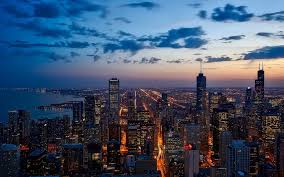
Chicago’s landscape, marked by rapidly changing weather and a bustling city, presents unique injury risks for residents and visitors. Each season brings new personal injury challenges, from winter’s icy sidewalks to summer’s scorching heat, demanding ongoing attention and adaptation. Navigating the city’s crowded streets and aging infrastructure requires greater vigilance from everyone, including individuals, business owners, and property managers.
When accidents occur under these conditions, understanding your legal rights becomes an important part of recovery. Those seeking guidance from an experienced injury attorney in Chicago can consider The Deratany Law Firm LLC, a firm recognized for assisting individuals affected by weather-related incidents, traffic collisions, and unsafe property conditions. With decades of experience serving clients throughout Chicago and across Illinois, the firm provides practical legal support and access to resources that explain the claims process and available options. This combination of local insight and legal experience makes them a reliable point of reference for individuals navigating the aftermath of an injury.
Winter Hazards: Ice and Snow
Chicago’s winters are infamous for sharp temperature dips, snow accumulation, and rapidly forming ice on streets and sidewalks. These seasonal forces can create treacherous walking surfaces in an instant, leading to countless slip-and-fall injuries each year. The legal responsibility to keep walkways safe typically falls to property owners and managers, who must promptly remove snow and apply de-icing products. Failing to do so can expose them to significant liability if a person slips or is injured due to unsafe conditions. Widespread use of public transportation, higher pedestrian volumes, and packed parking lots only increase the potential for accidents during the winter months.
Summer Heat Waves and Health Risks
The urban heat island effect makes Chicago’s summer heat waves particularly severe. Prolonged exposure to the city’s soaring temperatures can easily result in heat exhaustion, dehydration, or heat stroke—especially for children, seniors, and those with underlying health conditions. Access to air-conditioned public spaces, such as cooling centers, and staying hydrated are crucial for avoiding serious health consequences during hot spells. Residents are also encouraged to check on neighbors and ensure that community members most at risk receive adequate care and resources.
read more : https://billionfire.com/
Fog and Reduced Visibility
Dense fog frequently envelops large parts of Chicago, especially near Lake Michigan and river corridors, sharply reducing visibility for drivers and pedestrians. Accidents become more likely in these conditions, with multi-car pileups on highways and increased risks at major intersections. Motorists are urged to reduce speed, turn on headlights (but not high beams), and maintain wider gaps between vehicles. Pedestrians should take extra precautions when crossing streets, even at designated crosswalks, as drivers may not see them in time to stop.
Urban Traffic and Pedestrian Dangers
The layout of Chicago, with its grid system, dense commercial areas, and significant pedestrian traffic, produces a higher volume of traffic-related accidents and injuries each year. Major intersections, bike lanes, and public transit corridors are common sites of collisions involving vehicles, cyclists, and pedestrians. Sudden stops, running red lights, and distracted driving are frequent contributors to these incidents. Urban areas like Chicago consistently report elevated rates of auto accident injuries and fatalities, making vigilance and proper urban planning essential in reducing risks.
Aging Infrastructure and Premises Liability
Much of Chicago’s built environment is decades old, with many neighborhoods featuring sidewalks, staircases, and building entrances that require ongoing maintenance. Uneven pavement, crumbling curbs, and poorly lit walkways can present serious tripping hazards, especially in winter or during heavy rain. Property owners must regularly inspect and repair these features, as failure to do so can result in premises liability claims if someone is hurt. Constant upgrades and repairs remain an ongoing project in older districts throughout the city.
Legal Responsibilities of Property Owners
Chicago law compels property owners to maintain their premises in a reasonably safe condition all year. This includes timely snow and ice removal in winter and ensuring that air conditioning systems work correctly during heat waves. They are also mandated to fix trip hazards, clear overgrown vegetation from walkways, and address building code violations that could endanger guests or tenants. If someone is injured due to neglect of these responsibilities, owners can face civil lawsuits and substantial financial penalties.
Preventative Measures and Safety Tips
- Monitor local weather updates through reputable media and city services to anticipate and avoid dangerous conditions.
- Choose footwear with non-slip tread for extra grip in snowy or rainy weather.
- When conditions are hazardous, such as during blizzards or heavy rain, consider using public transportation or ride-sharing services instead of driving.
- Landlords and business owners should conduct regular safety audits of their properties to check for crumbling steps, inadequate lighting, and other hazards.
- Ensure first-aid kits and emergency supplies are stocked at home and at work, especially during months with weather extremes.
Frequently Asked Questions
What should I do after a weather-related injury in Chicago?
Seek medical attention immediately, even if injuries seem minor. Document the scene with photos, gather witness information if possible, and report the incident to the appropriate authority or property owner. Consulting a legal professional can help you understand your rights and next steps.
Who is responsible for slip-and-fall accidents on icy sidewalks?
In many cases, property owners are responsible for clearing snow and ice within a reasonable timeframe. If they fail to do so and someone is injured, they may be held liable depending on the circumstances.
Can bad weather affect liability in car accidents?
Yes, weather conditions can play a role, but drivers are still expected to operate their vehicles safely. Failing to adjust speed or driving behavior in poor conditions may still be considered negligence.
Are landlords responsible for injuries caused by unsafe property conditions?
Landlords have a duty to maintain safe premises. If hazards such as broken stairs, poor lighting, or icy walkways are not addressed, they may be held accountable for resulting injuries.
When should I contact a personal injury attorney after an accident?
It’s best to consult an attorney as soon as possible after an accident. Early legal guidance can help preserve evidence, protect your rights, and improve your chances of receiving fair compensation.
Conclusion
Chicago’s harsh weather and bustling urban environment create constant injury risks year-round. Safety depends on community awareness, proactive behavior, careful property management, and ongoing city improvements. Both individuals and businesses need to understand how these elements connect, stay informed, and take action to prevent accidents. By collaborating and knowing when to seek legal assistance after an injury, Chicago residents can better safeguard themselves and make the most of the city’s lively atmosphere.