
How Custom Metal Fabrication Supports Modern Construction
Custom metal fabrication is a critical aspect of today’s construction industry, shaping the structural and visual landscape of new buildings. By transforming raw materials into highly specific components, fabricators enable construction teams to create buildings that are not only strong and efficient but also visually striking. Partnering with a custom metal fabricator ensures that even the most challenging design and structural requirements are met with precision and reliability. This tailored approach streamlines the construction process, limits waste, and maximizes the quality and durability of finished buildings. Modern architectural projects depend on metal fabrication to deliver structures that can withstand both heavy loads and unique aesthetic demands. In an era where sustainability, safety, and design are closely intertwined, custom metal solutions provide the foundation for innovation. By leveraging advanced technology and collaborative processes, custom fabrication is redefining how buildings are conceptualized and constructed, making it indispensable for today’s builders and designers.
Strength and Precision in Structural Frameworks
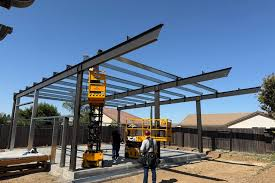
Structural frameworks are at the heart of every robust building. Steel beams, columns, and braces manufactured through custom metal fabrication offer a unique combination of strength, durability, and exactness. These components are expertly engineered to meet detailed specifications, ensuring they can support significant loads and accommodate complex architectural forms. Modern steel frameworks not only optimize usable space but also provide the resilience needed to withstand harsh operating environments, making them indispensable for commercial and industrial developments.
Precision engineering is vital in structural steelwork, where even minor deviations can compromise safety or delay projects. Custom fabrication uses laser cutting, CNC machining, and robotic welding to ensure each piece fits its intended position within a framework flawlessly. This level of accuracy helps limit rework during installation and accelerates the overall build timeline. In seismic-prone areas or regions with extreme climates, engineers frequently rely on custom-fabricated metal frameworks because they can flex without compromising the building’s stability. Additionally, custom metalwork can be engineered to integrate with other structural components like concrete, glass, or timber, offering innovative hybrid solutions that maximize both performance and design potential.
Design Flexibility and Aesthetic Enhancements
Today’s architectural trends often call for unique, recognizable features that set buildings apart. Custom metal fabrication enables architects to move beyond standard designs, integrating elements such as sculpted facades, intricate railings, and dramatic staircases into a structure. These advancements are supported by innovative design technologies, such as 3D modeling, that enable fabricators to visualize and create complex assemblies before any materials are cut. This level of customization empowers projects to balance beauty with practical function, increasing value and curb appeal.
Outside of structural components, custom metal is increasingly used for finishing details, such as canopies, sunscreens, and custom signage, that both enhance visual impact and provide practical benefits, such as shading or wayfinding. The range of finishes, from polished stainless to weathered corten steel, gives architects a rich palette for expression while maintaining the durability metal is known for. High-profile developments, such as urban high-rises and cultural centers, often rely on fabricated metalwork to create signature design features that serve as visual landmarks in their cities. Such innovations have brought new life to restoration projects as well, where modern metal elements are incorporated into historical buildings for a harmonious blend of classic and contemporary styles.
Efficiency Through Prefabrication
Prefabrication is revolutionizing how construction sites operate. Rather than fabricating and assembling metal parts on-site, more contractors are adopting an off-site approach in controlled manufacturing environments. This shift greatly reduces the margin for error, speeds up the installation process, and increases workplace safety. As noted in McKinsey’s analysis, prefabrication and modular construction are key drivers for higher efficiency and reduced overall project timelines.
Off-site prefabrication also reduces disturbances to neighboring communities, since on-site welding, cutting, and heavy equipment operation are minimized. Materials can be delivered just in time, reducing the risk of theft, damage, or weather-related delays. Moreover, factory environments make it easier to implement strict quality control protocols, further improving the performance of the finished product. Contractors can use prefabrication to deliver phased construction, where sections of a building arrive on site sequentially and are assembled quickly, helping manage tight project schedules and adapt to shifting site conditions.
Expanding Applications Beyond Traditional Uses
While metal building systems were once reserved mostly for warehouses and factories, their applications now span a diverse array of sectors. Commercial offices, schools, recreational centers, agricultural buildings, and even residential homes are increasingly relying on metal fabrication for essential components and decorative features. The adaptability of these materials and construction methods also supports sustainability initiatives, with many metal systems being recyclable and energy-efficient. As the construction industry continues to push for greener, more flexible building solutions, custom metal fabrication offers a pathway to innovation and longevity.
Innovations in metal alloys and protective coatings have expanded the environments where fabricated metal can thrive, from corrosive coastal zones to areas exposed to freeze-thaw cycles. Custom fabrication is also central to the success of building envelope systems, which rely on precise panelization and custom flashing to ensure weather-tightness and thermal efficiency. In specialty construction, such as sports arenas or healthcare facilities, fabricated metal can be custom-finished to meet demanding hygiene or acoustic requirements. This versatility keeps custom metal fabrication at the forefront of evolving needs in the built environment.
Collaborative Design Partnerships
The best results in custom metal fabrication are achieved when architects, engineers, and fabricators work closely from the concept stage through final installation. Collaborative design partnerships ensure that every detail, from complex decorative panels to high-performance structural elements, is engineered precisely to the project’s requirements. Companies specializing in custom architectural metalwork have developed streamlined workflows to support design professionals, helping to turn ambitious ideas into reality while maintaining cost and time efficiencies.
One of the most significant aspects of these partnerships is the ability to troubleshoot and innovate together in real time. Through digital design review sessions and on-site mock-ups, stakeholders can identify potential conflicts and value-engineer solutions before fabrication begins. This not only boosts project success but also deepens the pool of shared knowledge and experience for future collaborations. Custom metal fabricators often bring specialized expertise to challenging projects, helping guide the selection of alloys, finishes, connection methods, and installation sequences to achieve optimal results even within the tightest design parameters.
Conclusion
From the structural backbone to the finishing details, custom metal fabrication is a driving force in modern construction projects. Its blend of strength, accuracy, and adaptability is paving the way for more inventive, sustainable, and efficient building methods. As both the technology and collaboration behind fabrication evolve, the possibilities for architects, builders, and property owners will only continue to expand, making custom metal solutions an essential component in construction’s future. Ultimately, as new building codes, environmental regulations, and design ambitions continue to shape the construction landscape, the importance of versatile, high-performance materials like custom-fabricated metal will become even more apparent. Leading fabricators are investing in research and development to improve automation, digital integration, and sustainable practices, ensuring their products remain at the cutting edge. For developers and designers seeking to leave a lasting mark on their communities or industries, engaging a reliable custom metal partner offers a competitive advantage, helping build safer, stronger, and more inspiring spaces for future generations.
read more : The Essential Guide to Planning a Modern Cold Storage Construction Project