
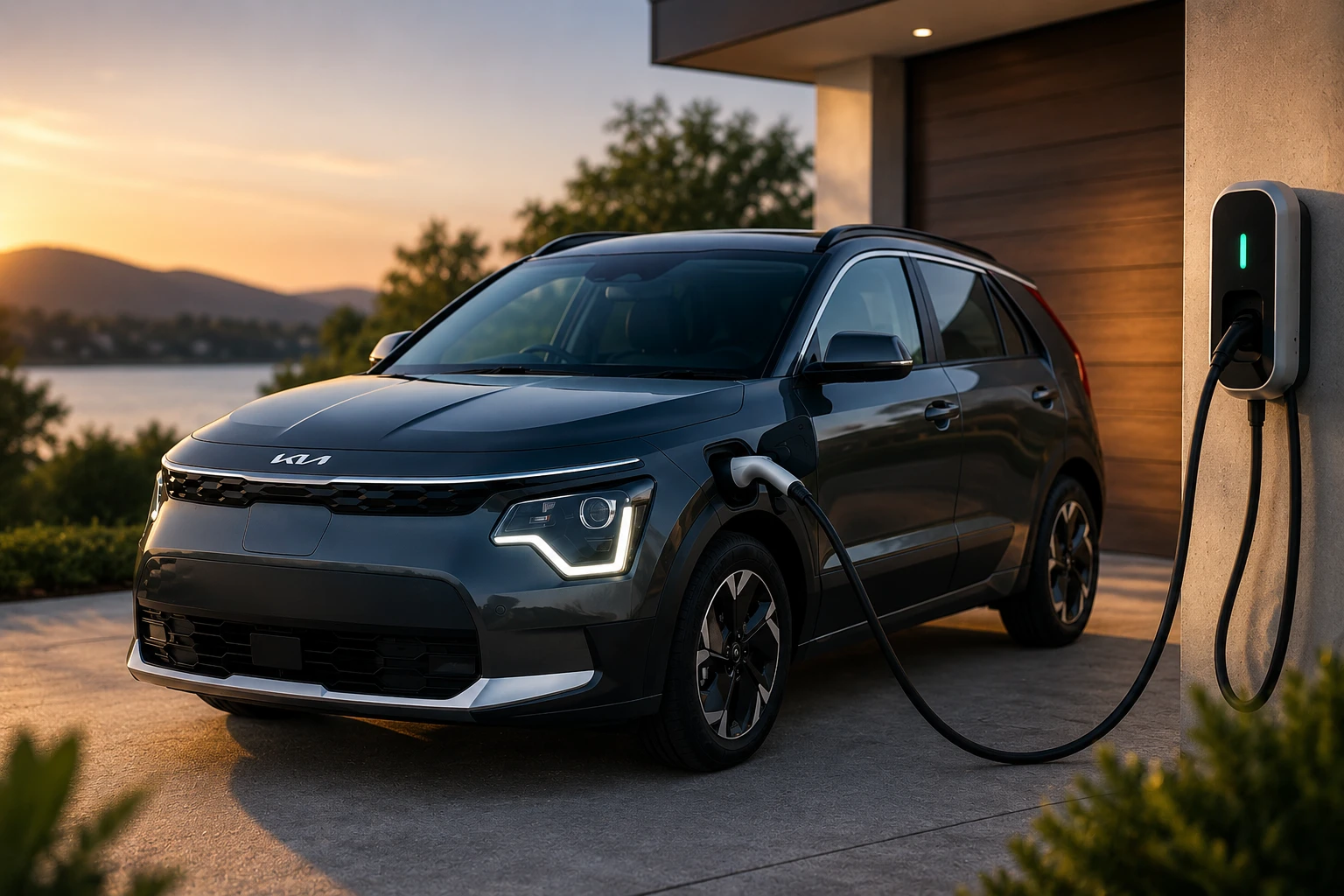
How to Charge Kia Niro EV: A Complete Guide
Buying an electric vehicle changes your daily driving habits significantly. You might be wondering exactly how to charge kia niro models efficiently. Understanding the battery system keeps your car running smoothly every single day. It saves you money on fuel and reduces your carbon footprint safely. You will never have to visit a dirty gas station again. This new technology brings amazing convenience directly to your home garage.
We will explain all the available charging levels and cable types. You will learn about standard home outlets and rapid public stations. Proper battery management extends the life of your expensive electric SUV. We cover step-by-step connection instructions to build your confidence immediately. Follow these tips to enjoy maximum driving range on every single trip. You will master your new daily driving routine in record time.
Understanding Your Kia Niro EV Battery
Battery Capacity Details
Modern models feature a high-capacity 64.8 kWh lithium-ion polymer battery. This massive energy storage unit powers the electric motor directly. A fully charged battery delivers an estimated range of 253 miles. This distance covers most daily commutes and weekend errands easily. This reliable battery ensures you can travel safely without any constant worry.
The Charging Port Location
You must know where to plug in your heavy charging cable. The charging port sits centrally on the front grille area. You just press the side of the small door to open it. This front location makes parking at charging stations very convenient. Always remember to close the door firmly when you finish your session.
Connector Types Explained
The vehicle uses a standard Type 2 connector for AC power. This fits standard Level 1 and Level 2 home charging cables. It also features a CCS port for public DC fast charging. This combined charging system accepts power from any modern public network. This amazing flexibility means you can travel across the country with total confidence.
Level 1 Charging Methods at Home
Standard Equipment Needs
Level 1 charging uses the standard cable included with your vehicle. It plugs directly into a standard 120V household wall outlet. You do not need any special electrical wiring for this method. It is the cheapest way to start charging your electric vehicle. Keep the heavy cable safely stored in your trunk for sudden travel emergencies.
Charging Speed and Time
This is the slowest method available for recharging your battery pack. It adds about three to five miles of range per hour. A full recharge from empty takes roughly sixty total hours. You must have patience if you rely solely on this method. This slow process tests the patience of drivers with very long daily commutes.
Best Use Cases
This slow method works well for very short daily commutes. If you only drive ten miles a day, it replaces that energy overnight. It also works perfectly as an emergency backup charging plan. You can plug in anywhere you find a standard power outlet. It saves you from paying expensive installation fees for heavy electrical garage wiring.
Upgrading to Level 2 Home Charging
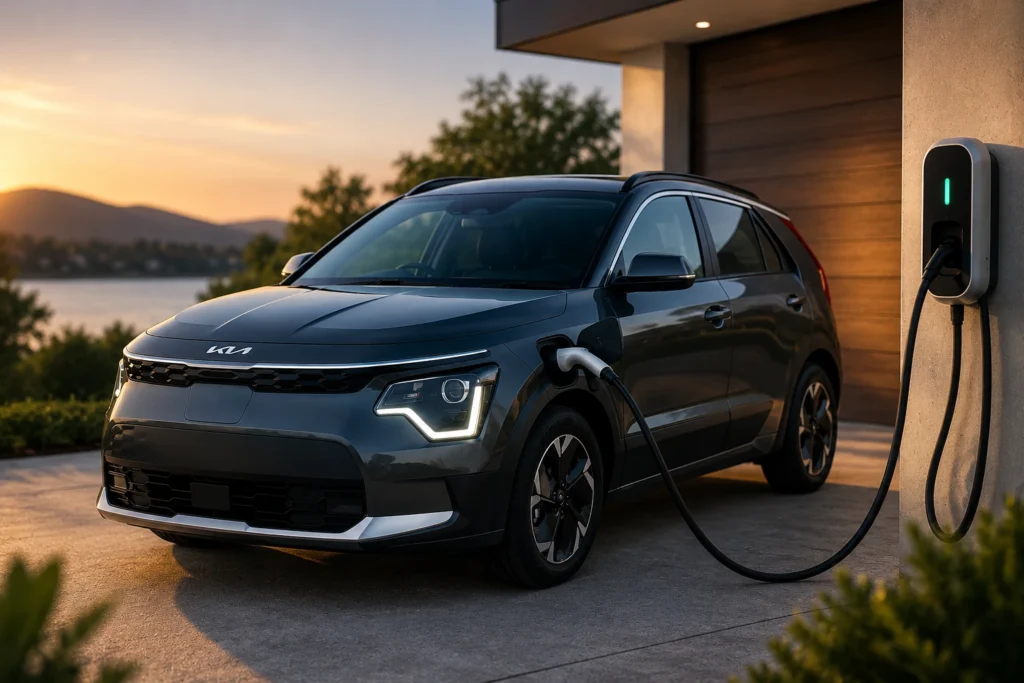
Wall Box Installation
Most owners install a dedicated 240V home charger in their garage. You must hire a licensed electrician to complete this heavy wiring installation. The electrician connects the new wall box directly to your electrical panel. This setup guarantees safety and maximum power delivery for your car. Many utility companies offer cash rebates for installing these modern home charging units.
Faster Charging Speeds
A Level 2 charger provides a massive improvement over standard outlets. It typically delivers between seven and eleven kilowatts of electric power. This completely refills the massive battery in six to nine hours. You can easily recharge the entire car while you sleep peacefully. You spend less time waiting and much more time enjoying your daily drive.
Daily Charging Benefits
This is the most highly recommended method for daily electric mobility. You simply plug the car in when you get home from work. You wake up every single morning with a fully charged battery. It completely eliminates range anxiety during your regular daily schedule. Home charging costs significantly less than buying electricity at public commercial highway stations.
Using Public DC Fast Charging
Locating Fast Chargers
You can find DC fast chargers along major interstate highways easily. They also sit in large retail parking lots across the United States. Use the built-in GPS system to find the closest fast charger. You can also use popular mobile apps to map out locations. Many large shopping malls offer free power while you browse the retail stores.
Rapid Charging Times
These commercial stations push massive amounts of direct current into the battery. The car supports fast charging speeds up to 85 kilowatts. A fast charger brings the battery from 10 to 80 percent quickly. This rapid process takes roughly forty-five minutes to complete entirely. Grab a quick cup of coffee while the car refills its energy reserves.
Protecting Battery Health
You should not use fast chargers for your daily energy needs. High heat from rapid charging degrades the battery cells over time. The charging speed also slows down drastically after hitting 80 percent. Unplug the car at 80 percent to protect your battery health. Check your dashboard settings to enforce a strict eighty percent maximum charging limit.
Step-by-Step Charging Process
Opening the Charge Port
First, ensure your vehicle is completely unlocked and turned off. Press the charge port door located on the front grille. The door will pop open to reveal the internal connecting sockets. Remove the small plastic dust covers from the specific charging pins. A dirty connection point can slow down the transfer of electrical power significantly.
Connecting the Cable
Select the correct AC or DC connector from the station equipment. Push the heavy nozzle firmly into your vehicle charging port. You will hear a loud mechanical click when it locks securely. The car dashboard will immediately light up to confirm the connection. Do not force the plug if it feels stuck or jammed in place.
Monitoring the Session
Look at the indicator lights located on the dashboard display panel. These green lights show the current state of charge clearly. You can also monitor the live progress using the official mobile app. The app sends you a text message when the battery is full. This allows you to relax inside a coffee shop during the entire session.
Managing Your Electric Range
Regenerative Braking System
Your car features a smart regenerative braking system to recover energy. It captures kinetic energy when you take your foot off the accelerator. This feeds free electrical energy right back into the main battery. Use the steering wheel paddles to adjust the braking intensity easily. This amazing feature reduces wear and tear on your traditional physical brake pads.
Climate Control Impact
Using the heater or air conditioner drains the battery much faster. Heavy climate control usage reduces your overall driving range noticeably. Pre-condition the cabin temperature while the car is still plugged in. This uses grid power instead of draining your valuable battery reserves. Use the heated seats instead of blasting the main cabin air conditioning unit.
Planning Long Road Trips
Long-distance travel requires careful planning and mapping before you leave. Map out your required charging stops along the planned highway route. Plan to eat lunch or stretch your legs while the car charges. Always have a backup charging station located on your travel map. Never let your battery drop below ten percent on a long highway journey.
Understanding Charging Station Networks
Public Network Options
Companies like Electrify America and ChargePoint operate massive public charging networks. EVgo and Blink Charging also offer thousands of locations nationwide. You will need to create user accounts for these different networks. Registering early saves you time when you arrive at a station. Keep these smart physical cards in your wallet for quick payment access everywhere.
Using Mobile Apps
Download the official mobile apps for your preferred charging providers. These apps show you which specific chargers are currently working. They also display the current charging speed and live pricing data. You can start the charging session directly from your smartphone screen. These digital tools take the guesswork out of finding reliable local power sources.
Handling Payment Methods
Public charging stations require digital payments to start the electricity flow. You will need to link a bank card to your network account. Make sure you understand the nyx amuze products charge on credit card billing process properly. Monitor your monthly bank statements closely to catch any unfair billing errors. Check your account balance weekly to ensure you always have sufficient travel funds.
Tech Gadgets and Internal Power
Wireless Phone Pads
The interior cabin offers several ways to charge your personal devices. The center console features a built-in wireless charging pad for smartphones. You might need to check your specific chi charge paddef tec sheet charge rules for compatibility. Place your phone flat on the pad to start charging automatically. This keeps the front cabin clear of messy and tangled charging cords safely.
USB Ports Available
The cabin also features multiple USB ports for wired device charging. Passengers in the back seats can plug in their tablets easily. These ports draw a very tiny amount of power from the car. They will not affect your driving range in any noticeable way. Keep a few extra USB cords in the glovebox for your daily passengers.
Managing Internal Power Drain
Leaving accessories plugged in while the car is off drains power. Unplug your devices if you park the car for several days. Turn off internal cabin lights to save the small 12V battery. A dead 12V battery will prevent the main car computers from starting. Check the interior before locking the doors to save your small battery power.
Driving Safety and Legal Rules
Safe Driving Habits
Electric vehicles deliver instant torque and accelerate very quickly from stops. You must practice safe driving habits to avoid dangerous traffic accidents. Always obey the posted speed limits in your local residential areas. Pay close attention to pedestrians because the electric motor is perfectly silent. Safe driving prevents costly damage to your highly expensive front grille charging port.
Traffic Violations and Arrests
Reckless driving leads to severe legal trouble and suspended driving licenses. Driving under the influence is an extremely serious and dangerous crime. You must understand what is an oui charge and how it ruins your life. Never drink alcohol before getting behind the wheel of your vehicle. Hiring a good defense attorney costs much more than taking a simple taxi.
Maintaining Insurance Rates
Traffic tickets and legal arrests cause massive spikes in auto insurance. Electric vehicles already cost slightly more to insure than gas cars. Keep your driving record completely clean to secure cheap monthly premiums. Safe drivers always save the most money on car ownership costs. Safe drivers avoid sudden rate hikes and keep their household budgets perfectly balanced.
Frequently Asked Questions
Can I charge my electric vehicle in the heavy rain?
Yes, you can safely charge the vehicle during heavy rain storms. The charging port and the heavy cables are completely waterproof. The car computers monitor the connection to keep you safe from electrical hazards.
Should I charge my battery to 100 percent every day?
No, you should only charge the battery to 80 percent daily. Constant full charges degrade the internal chemical cells much faster. Following this simple rule adds many years to the life of your vehicle.
Do public chargers provide the charging cable for me?
Yes, public Level 2 and DC fast stations have cables permanently attached. You just pull the cable from the machine and plug it in. Coil the heavy cable back onto the machine holder to help other drivers.
Final Takeaways
Switching to an electric vehicle brings amazing new convenience to your life. Learning to manage your battery ensures you always have plenty of range. Installing a proper home wall box is the best investment you can make. It allows you to wake up to a full battery every single morning. This simple routine completely removes the stress of visiting dirty local gas stations. You will save a lot of money on routine maintenance and daily fuel costs.
Planning ahead makes long road trips very fun and entirely stress-free. Utilize public fast chargers only when you need a quick battery top-off. Protect your battery health by limiting daily energy levels to eighty percent. Use the smart mobile apps to find cheap power along your daily route. Safe driving and good charging habits keep your modern SUV running perfectly. You are now fully prepared to enjoy your amazing electric driving experience.