
How To Get A Resisting Arrest Charge Dropped
A resisting arrest charge may be dismissed when the evidence does not establish the required legal elements, the officer’s conduct raises a valid legal issue, or a procedural problem affects the case. However, no strategy guarantees dismissal. The available defenses depend on the jurisdiction, the alleged conduct, and the facts recorded by police.
Anyone facing this charge should review the citation or charging document, preserve relevant evidence, and consult a qualified criminal defense attorney. Avoid making assumptions based only on the charge’s name or a brief account of the arrest.
What Does a Resisting Arrest Charge Mean?
Resisting arrest laws generally address conduct that obstructs, delays, or interferes with law enforcement. The precise definition differs among states. Some statutes focus on resistance during an arrest, while others cover broader conduct involving an officer performing official duties.
For example, California Penal Code section 148 addresses willfully resisting, delaying, or obstructing certain public officers and other listed personnel. Michigan has separate statutes addressing resisting or obstructing officers. The wording and elements of the applicable law must be checked in the relevant jurisdiction.
Is Physical Resistance Always Required?
Not always. Some laws can cover conduct that does not involve striking or physically fighting an officer. Depending on the statute, alleged obstruction or knowingly failing to comply with a lawful command may be relevant.
The prosecution still must prove the elements of the specific offense. A defense attorney can examine whether the alleged conduct actually meets the legal definition and whether the evidence supports each required element.
Does Arguing With an Officer Automatically Mean Resisting Arrest?
Not necessarily. The legal effect of words, movements, refusal, or physical actions depends on the facts and applicable law. Do not assume that every disagreement or verbal exchange satisfies a resisting statute.
The case should be evaluated using the actual charge, police reports, video, witness accounts, and the governing legal standard.
What Legal Issues May Help Challenge the Charge?
Potential defenses depend on the specific circumstances. A lawyer may assess whether the prosecution can prove the required conduct, whether the officer was acting lawfully where that is an element, and whether evidence supports the account given in the report.
The Alleged Conduct Does Not Meet the Statute
A charge may be challenged if the alleged behavior does not satisfy one or more legal elements. For example, the evidence may not show the required intent, conduct, or connection to an officer’s official duties.
The precise elements vary by jurisdiction. A lawyer should compare the charging document with the statutory language and evidence rather than relying on a general description of resisting arrest.
The Officer’s Actions or Authority Are in Dispute
In some cases, the lawfulness of the officer’s actions is relevant to the offense. Michigan law and case decisions, for example, address the relationship between an officer’s lawful performance of duties and resisting or obstructing charges.
This issue is fact-specific. It is not a blanket rule allowing people to physically resist an officer. A defense attorney can determine whether the officer’s conduct is legally relevant and whether the available evidence supports a challenge.
Video or Witness Evidence Conflicts With the Report
Body-camera footage, dashboard video, surveillance recordings, phone videos, and witness statements may clarify what happened. Evidence that contradicts a report or creates reasonable doubt can affect the prosecution’s case.
Preserve original recordings and their metadata when possible. Do not edit, delete, or publish evidence before discussing it with your lawyer.
A Procedural or Evidentiary Problem Exists
A lawyer may identify issues involving the charging document, evidence collection, witness reliability, or the admissibility of a statement. Whether such an issue can lead to dismissal depends on the governing rules and the effect of the problem on the case.
Not every procedural mistake requires dismissal. The lawyer should explain the legal basis for any motion and the likely outcome based on the available record.
What Steps Can You Take After Being Charged?
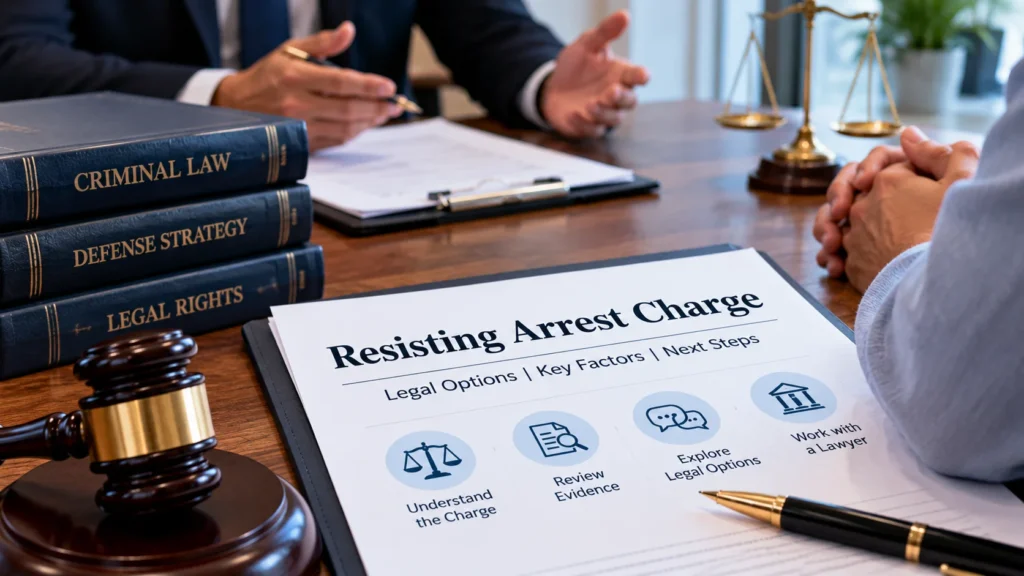
The safest approach is to protect your rights, preserve evidence, and obtain advice specific to your case. Avoid contacting witnesses to influence their accounts or posting detailed explanations online.
1. Read the Charging Documents
Identify the statute, court, alleged conduct, and next hearing date. Make sure you understand any release conditions or restrictions. Missing a required court appearance can create additional problems.
2. Contact a Criminal Defense Attorney
Ask a lawyer who handles criminal cases in the relevant jurisdiction to review the charge. Discuss possible defenses, evidence requests, pretrial motions, plea options, and the consequences of each available path.
If you cannot afford counsel, ask the court or local legal aid organization whether you may qualify for appointed counsel. Eligibility rules vary.
3. Preserve Relevant Evidence
Write down your recollection while details are fresh, including the timeline, witnesses, location, and any injuries. Preserve messages, videos, photographs, and documents that may relate to the incident.
Do not alter recordings or ask anyone to change their account. Give potentially relevant material to your lawyer so it can be assessed properly.
4. Follow Court Orders
Attend all required hearings and comply with release conditions. If you are unsure about a date or condition, contact your attorney or the court through official channels.
A dismissal is not automatic just because you hire a lawyer or submit evidence. The court or prosecutor must take the appropriate action under the applicable rules.
Can a Resisting Arrest Charge Be Reduced Instead?
Sometimes a prosecutor may consider a plea agreement or a reduced charge, depending on the evidence, criminal history, local policy, and circumstances. A defense lawyer can discuss whether negotiation is appropriate and what consequences a proposed agreement may carry.
A reduction is not the same as a dismissal. Before accepting any agreement, understand possible fines, probation, record consequences, immigration effects where relevant, and any restrictions that may follow from a conviction.
What Should You Avoid While Your Case Is Pending?
Do not ignore court notices, violate release conditions, or assume the case will disappear without action. Avoid discussing the facts publicly or sharing recordings on social media before obtaining legal advice.
Do not threaten officers or witnesses, destroy evidence, or attempt to interfere with an investigation. Such actions can create separate legal problems and damage your defense.
For more information about other charge-related topics, see our guides to a Corporate Filings LLC charge, a DUAC charge, and the meaning of a GSI charge. These topics involve different legal or financial questions, so their procedures should not be confused with a resisting arrest case.
Frequently Asked Questions
Can a Resisting Arrest Charge Be Dismissed?
Yes, a charge may be dismissed in some cases, but the outcome depends on the evidence, statutory elements, procedural issues, and decisions by the prosecutor or court. No result can be guaranteed in advance.
What Evidence Can Help Defend Against the Charge?
Relevant evidence may include body-camera footage, surveillance video, witness statements, medical records, and other material that clarifies the incident. A lawyer can determine what is relevant and how it may be obtained or presented.
Can a Charge Be Dropped If the Arrest Was Unlawful?
The lawfulness of an officer’s actions may matter under some statutes, but the legal test varies. An attorney should review the applicable law and facts before relying on this argument.
Should I Explain My Side to the Police?
Before making statements about the incident, consult a criminal defense lawyer. Statements may affect the case, and the rules governing questioning and rights vary by circumstances.
Do I Need a Lawyer for a Resisting Arrest Charge?
Legal representation can help assess the elements, evidence, and available defenses. If you cannot afford an attorney, ask the court about eligibility for appointed counsel.
Research References
Review the applicable law, including California Penal Code section 148 and Michigan Compiled Laws section 750.479. These are examples from different jurisdictions, not rules that apply nationwide.
Final Takeaways
Getting a resisting arrest charge dropped depends on the law and evidence in the particular case. Potential issues may include whether the alleged conduct meets the statute, whether relevant police actions were lawful, and whether video or witness evidence undermines the accusation. Preserve evidence, follow court orders, and speak with a qualified criminal defense attorney. Do not treat general information as a substitute for advice about your jurisdiction and circumstances.