
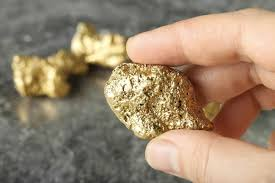
Investing in Precious Metals: Exploring Gold, Silver, Platinum, and Palladium for Portfolio Diversification
Precious metals have long been treasured assets for investors seeking stability, diversification, and a safeguard against economic volatility. Gold, silver, platinum, and palladium each hold unique positions in both the financial markets and a wide range of industries. These metals have distinct historical legacies, not only as forms of currency and stores of value, but also as foundational resources in technology and manufacturing.
Over time, economic downturns, geopolitical tensions, and fluctuating currencies have reinforced the appeal of precious metals. Investing in assets like gold and silver can help protect portfolios during inflationary cycles, while metals such as platinum and palladium have become more sought after due to their crucial industrial applications. Many institutions and retail investors partner with specialized firms like Preserve Gold to navigate the complexities of precious metal investments and secure their wealth across different market cycles.
As global economies continue to shift and the search for safe-haven assets intensifies, understanding the specific attributes of each metal is vital for making informed decisions. In addition, the practical uses and scarcity of these metals contribute to their price movements and long-term value prospects. Awareness of these factors allows investors to harness the enduring advantages of adding precious metals to their asset allocation strategy.
Whether pursuing stability amid uncertainty or seeking growth through industrial demand, precious metals offer various pathways for both conservative and growth-oriented investors. Their historic resilience and functional utility make them valuable assets in any balanced portfolio.
Gold: The Traditional Safe Haven
Gold remains one of the most recognized safe-haven investments. Its value as a store of wealth is deeply ingrained in financial history, with civilizations valuing gold coins and bars for millennia. In modern times, investors look to gold for its ability to hedge against inflation and currency devaluation. It often moves inversely to the US dollar and equities, providing a buffer during economic slowdowns.
The price of gold is influenced by factors such as central bank policies, changes in real interest rates, geopolitical risks, and supply and demand dynamics. Recent years have seen gold prices reach new highs amid escalating uncertainty, reaffirming its status as a go-to asset in turbulent markets.
Silver: Industrial Demand and Investment Appeal
Silver distinguishes itself through its dual identity as both an investment and an industrial commodity. Its affordability compared to gold makes it accessible for a broader range of investors, but its value is also closely tied to its industrial uses. The rapid expansion of renewable energy technologies, particularly solar panels, has significantly increased demand for silver. Additionally, silver’s antimicrobial properties and high conductivity make it indispensable in electronics, medicine, and batteries.
The combination of investment demand and expanding industrial applications means silver prices can experience pronounced volatility. Technological advancements and growing sustainability trends are likely to sustain strong demand for silver in the foreseeable future.
Platinum: Scarcity and Industrial Applications
Platinum is rarer than both gold and silver, with most of its global production concentrated in just a few countries. This scarcity increases price sensitivity during supply disruptions. The metal is a dominant component of automotive catalytic converters, which help reduce vehicle emissions. Platinum’s high melting point and corrosion resistance make it valuable across refining, jewelry, and emerging hydrogen fuel cell industries.
Shifts in automotive technology, regulatory changes, and evolving supply chains all shape platinum’s market trends. Supply challenges, particularly from major producers, can drive significant price swings.
Palladium: Rising Demand in the Automotive Industry
Palladium has rapidly climbed in value due to its irreplaceable role in catalytic converters for gasoline-powered vehicles. As emission standards worldwide become more stringent, car manufacturers rely on palladium to meet environmental regulations. This strong demand, combined with limited global supplies, has propelled palladium prices to record highs.
Beyond the auto sector, palladium is used in electronics and dentistry, yet its price is most closely linked to developments in vehicle manufacturing and environmental regulations. Market analysts closely follow palladium for signals on supply deficits and macroeconomic shifts that affect demand.
Comparative Analysis: Performance and Volatility
Reviewing the performance history of gold, silver, platinum, and palladium reveals notable differences in returns and risk exposure. Gold and silver typically show relatively steady performance, with gold experiencing fewer sharp price changes than silver. Both metals tend to appreciate during times of economic instability.
Platinum and palladium often exhibit greater price fluctuations. While these metals can yield impressive gains during periods of high industrial demand or constrained supply, their markets are more susceptible to volatility caused by geopolitical events or changes in manufacturing trends. As with any asset, understanding the risk profile of each metal is critical before investing.
Diversification Strategies Involving Precious Metals
Incorporating multiple precious metals into a portfolio can provide a layer of protection against inflation, market downturns, and currency fluctuations. Each metal’s unique set of drivers means that their prices may not always move in tandem, reducing overall portfolio risk. Strategic diversification balances the potential for capital growth with risk mitigation, especially when precious metals are combined with other non-correlated assets.
Investors should periodically revisit their allocation and consult a qualified financial advisor to ensure their approach remains aligned with their personal risk tolerance and long-term goals.
Making Informed Investment Decisions
Precious metals remain an attractive proposition for investors who value stability, growth, and diversification. Gold and silver provide time-tested security, while platinum and palladium offer additional growth potential through their expanding industrial roles. Making informed decisions means conducting diligent research and considering professional advice before integrating precious metals into any investment strategy.
By understanding market forces, volatility, and the enduring value of these metals, investors can enhance their portfolios and navigate ever-changing global financial landscapes.