
The 50/30/20 Rule Revisited: How to Tweak the Classic Budget for a Volatile Economy
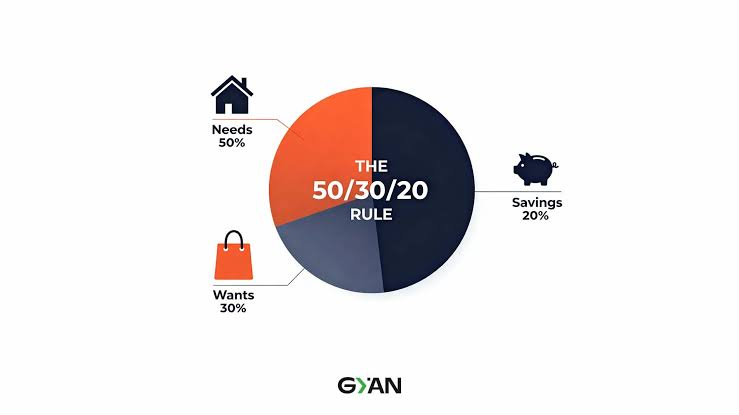
The 50/30/20 budgeting rule has long been a popular framework for managing personal finances. It divides after tax income into three categories: 50 percent for needs, 30 percent for wants, and 20 percent for savings or debt repayment. While this structure offers a simple starting point, economic conditions today are far from stable. Rising living costs, fluctuating interest rates, and shifting job markets have changed how people must approach their money. Revisiting and adjusting this classic rule can make it far more effective for modern financial realities.
Why the Traditional 50/30/20 Split No Longer Fits Everyone
When the 50/30/20 rule was introduced, it reflected a more predictable cost of living for many households. Housing, healthcare, and education costs have since increased significantly, often consuming a larger percentage of income than the original framework allows. For many individuals, essential expenses already exceed 50 percent of their income, leaving little room for discretionary spending or savings.
This mismatch can make people feel like they are failing at budgeting, even when they are managing their finances responsibly. Instead of treating the rule as a strict guideline, it is more helpful to view it as a flexible model. Adjusting the percentages based on your specific circumstances allows you to maintain balance without unnecessary stress.
Recognizing this shift is the first step toward creating a realistic budget. Rather than forcing your finances into a fixed structure, the goal should be to make the structure work for your life.
Adjusting the Needs Category for Rising Costs
In a volatile economy, the category of needs often requires the most adjustment. Housing, utilities, groceries, and insurance continue to rise in cost, making it difficult to keep these expenses within the traditional 50 percent threshold. Instead of aiming for a fixed percentage, consider focusing on efficiency within this category.
Start by reviewing recurring expenses and identifying opportunities to reduce costs without compromising quality of life. This might involve refinancing loans, negotiating bills, or finding more cost effective service providers. Even small adjustments can create breathing room over time.
It is also important to distinguish between true needs and expenses that may feel essential but can be adjusted. For example, housing is a necessity, but the size or location of your home may offer opportunities for savings. Evaluating these choices allows you to adapt your budget to changing conditions while maintaining stability.
Rethinking Wants Without Eliminating Enjoyment
In uncertain economic times, discretionary spending is often the first area to be reduced. While cutting back can improve financial security, eliminating all enjoyment is rarely sustainable. The purpose of the “wants” category is to support a balanced lifestyle, not to create guilt around spending.
A revised approach might involve prioritizing meaningful experiences over impulsive purchases. This could mean dining out less frequently but choosing higher quality experiences when you do, or focusing on hobbies that provide long term value. Being intentional about this category ensures that your spending aligns with your personal goals and values.
Flexibility is key. During higher income periods, you may allocate more toward wants, while tighter times may require temporary reductions. The ability to adjust without abandoning the category entirely helps maintain consistency and motivation.
Strengthening Savings and Debt Strategies
The 20 percent allocation for savings and debt repayment remains one of the most valuable aspects of the original rule, but it may need to be expanded or prioritized differently depending on your financial situation. In a volatile economy, building a strong financial cushion becomes even more important.
Emergency savings should be a top priority, as it provides protection against unexpected expenses or income disruptions. Once a solid reserve is established, additional funds can be directed toward investments or accelerated debt repayment. High interest debt, in particular, should be addressed as quickly as possible to reduce long term financial strain.
For individuals seeking a more tailored approach, working with professionals can be beneficial. Connecting with wealth management firms in Denver or your area can help you refine your savings strategy, balance risk, and identify opportunities for long term growth that align with your goals.
Creating a Flexible Budget That Adapts Over Time
The most effective budgeting approach is one that evolves with your circumstances. Income changes, unexpected expenses, and broader economic shifts all influence how your budget should be structured. Rather than setting fixed percentages and leaving them unchanged, consider reviewing your budget regularly and making adjustments as needed.
One approach is to use a range instead of strict limits. For example, needs may fall between 50 and 60 percent, wants between 20 and 30 percent, and savings between 15 and 25 percent depending on your situation. This flexibility allows you to respond to changes without feeling constrained by rigid numbers.
Technology can also play a role in maintaining adaptability. Budgeting apps and financial tracking tools provide real time visibility into your spending, making it easier to identify trends and adjust accordingly. Staying informed empowers you to make proactive decisions rather than reactive ones.
Ultimately, a flexible budget reflects the reality that financial stability is not static. It requires ongoing attention and thoughtful adjustments to stay effective.
Conclusion
The 50/30/20 rule continues to offer a valuable foundation for managing personal finances, but it must be adapted to meet the demands of today’s economy. Rising costs and financial uncertainty require a more flexible and personalized approach that reflects individual circumstances.
By adjusting spending categories, prioritizing savings, and embracing adaptability, individuals can create a budgeting strategy that remains effective even in changing conditions. A thoughtful revision of this classic rule allows you to maintain control, reduce financial stress, and build a stronger path toward long term stability.
read more : 5 Examples of When Refinancing Your Mortgage Actually Makes Financial Sense