
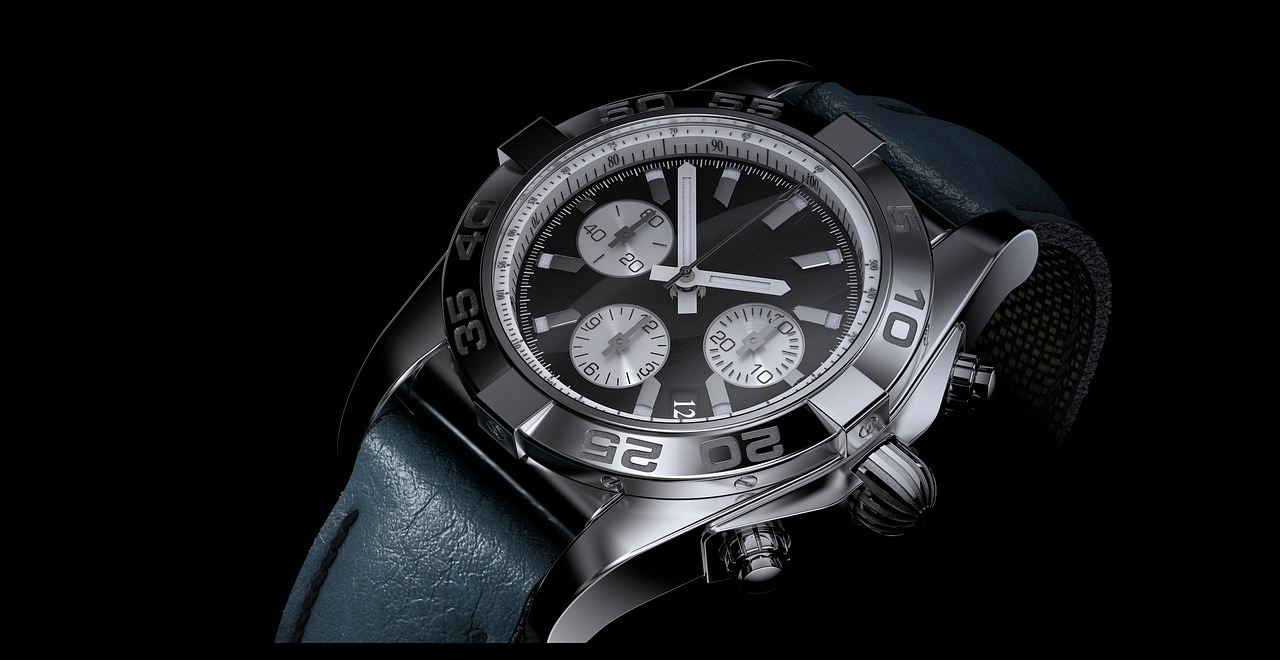
The Benefits of Selling Your Rolex Directly to a Watch Buyer
Selling a Rolex often comes down to how much time and back-and-forth a seller wants to handle. A direct sale to specialist Rolex watch buyers can reduce that work compared with a private listing or a long consignment wait. It is not always the highest-paying path, but the clarity and convenience suit many owners.
A quicker route to a done deal
Private listings and consignment can sit for weeks. Messages stall, and buyers change their minds.
A direct purchase follows a shorter path. The buyer reviews the watch and makes a written outright offer to buy it now, rather than list it and wait for a retail customer. There is no sales window to watch and no relisting at a new price.
That doesn’t mean money moves in minutes, since timing still depends on inspection and how payment is sent and cleared. For sellers who want a clear end date, that structure can feel more workable than an open-ended ad.
Less messaging and fewer unknowns
Selling to a private party takes steady work. Along with fielding questions and sorting through soft offers, sellers handle photos and shipping plans.
Payment and handover deserve particular attention. Private sellers need to think about payment disputes, personal safety during meetings, and loss or damage in transit.
No sales route removes those concerns, so caution matters in any high-value deal. Choosing one direct buyer can reduce the number of unfamiliar people involved. That business should have independently verifiable contact details and a clear written purchase process. Independent identity checks and a conversation with the bank about how to confirm payment are useful precautions before a watch changes hands.
A specialist read on authenticity and condition
Rolex authentication takes more than a quick glance. Small details in dial print and hands can affect trust, as can case shape and bracelet stretch.
Most owners don’t track those points closely, and there’s no reason they should learn them under pressure. A specialist assessment can cover identifying numbers, overall condition, signs of polishing, and replacement parts. Service records help explain the watch’s history and any work performed.
Asking for an explanation of the assessment makes the offer easier to evaluate. Request a written figure and a clear explanation of any difference between an early estimate and the offer after inspection. That gives the seller a basis for deciding whether to proceed.
A specialist buying service such as Le Watch Buyers is the type of business many sellers put on a short list when they compare inspection steps and written terms.
How the payout compares once costs are counted
Every selling path involves trade-offs. A dealer trade-in may suit someone who wants to put the watch’s value toward another purchase. With any buyer, it is worth asking about experience assessing the specific reference rather than assuming every offer reflects the same expertise.
Marketplaces such as Chrono24 and eBay reach a wide pool of collectors. That reach comes with listing work and back-and-forth on price. It can also bring selling charges and shipping steps that eat into the top-line figure.
A direct buyer needs room for resale costs and a profit margin. An outright offer may therefore be lower than the price a seller could achieve through a private sale or consignment. The higher potential price needs to be weighed against the time, costs, and uncertainty of those alternatives. Net proceeds after all deductions give sellers a clearer comparison than the first number quoted.
Written calculations make it easier to compare itemized net proceeds across options. The first quote and the final figure after inspection should be spelled out. Written terms should also cover returns, insured shipping and how payment will be sent. Sellers can ask their bank or the payment provider how to verify the proposed payment method independently, rather than relying on a buyer’s screenshot or assurance.
What to have ready before you ask for an offer
Good photos and straight facts speed up any quote. Have the exact reference ready, whether it is a Submariner, Datejust, GMT-Master II, or Daytona. Note how it runs and how the case and bracelet look.
Find the box and papers if they are still around. Pull any service receipts that show dates and work done. Avoid arranging cosmetic work just to prepare for a quote. Discussing the watch’s existing condition first helps avoid spending money on changes that may not improve an offer.
A consistent set of questions makes offers easier to compare. What is the first range based on photos, and what could change it after hands-on review? Other points to clarify include whether final payment matches the written figure and what return and insured shipping terms apply if the deal does not close. Independent checks of the business name and address, along with bank confirmation of payment arrival before release, help address those concerns.
See more: The Future of Digital Collecting
A Rolex holds meaning beyond dollars, so the selling route should fit the seller’s needs. Written bids are worth comparing side by side to find the path that leaves no loose ends.