
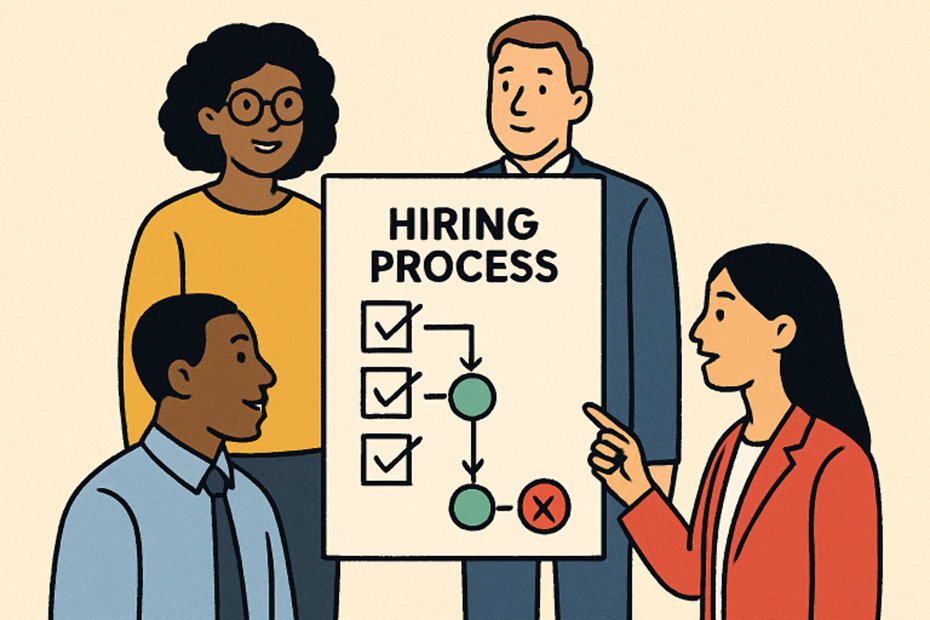
The Essential Guide to Building Effective Hiring Processes
Building an efficient hiring process is a vital element of any organization’s talent management strategy. Employers who prioritize thoughtful recruitment practices are well-positioned to consistently attract and retain the best candidates in their industry. This guide delves into the key strategies that define successful hiring and provides actionable insights for HR leaders and hiring managers. As you look to improve your workflow, consider enhancing your process with specialized employee onboarding software that streamlines your candidate experience and supports long-term employee engagement.
A well-designed hiring process not only fills roles quickly but also elevates company culture and productivity. Establishing a clear structure means every candidate is evaluated fairly and given a consistent experience. Ultimately, investing in a methodical approach pays dividends in productivity, morale, and growth for your entire organization. With competition for talent at an all-time high, these principles are more important than ever for achieving lasting business success.
Define Clear Evaluation Criteria
Clear evaluation criteria are the foundation of a successful hiring process. Before advertising a role or reviewing applications, outline the technical and soft skills essential for success in the position. Companies that focus on competency-based assessments tend to perform better and experience lower staff turnover. Consider the core responsibilities of the role and identify the key skills that drive impact, such as technical expertise, communication, adaptability, and teamwork. Your evaluation rubric should be shared among your hiring team to ensure consistency in every stage of the candidate journey.
Conduct Meaningful Interviews
Interviews should be more than just a formality. Design conversations that demonstrate a candidate’s abilities and cultural fit by going beyond conventional questions. Include behavioral interview questions that invite candidates to describe their experiences and achievements, as well as situational scenarios relevant to the day-to-day responsibilities of the position. Skills demonstrations and work samples are valuable for roles that are skill-dependent, while group interviews or team-based exercises provide insight into a candidate’s collaboration style.
Leverage AI in Recruitment
Artificial Intelligence has become an integral part of modern recruitment strategies. AI-driven talent intelligence platforms can analyze resumes, employment patterns, behavior, and past performance to quickly identify candidates who align with your job requirements. These platforms help reduce bias and enable efficient screening, freeing HR professionals to focus on more nuanced aspects of hiring, such as cultural fit and growth potential. Leveraging AI allows talent teams to handle higher volumes of candidates while ensuring a thorough, data-driven selection process.
Prioritize Diversity and Inclusion
Diversity and inclusion are no longer optional. A workforce that represents different backgrounds and perspectives is proven to be more innovative and effective. Remove unconscious bias from recruitment through techniques such as blind resume reviews, which conceal personal information to minimize bias, or using structured interview formats. Write job postings with inclusive, gender-neutral language, and communicate your organization’s commitment to inclusivity and belonging in all candidate communications.
Streamline the Hiring Process
A streamlined process helps to keep top candidates engaged and reduces the risk of losing talent to competitors. Limit the number of interviews to avoid fatigue, while making each step meaningful. Incorporate practical assessments that mimic real workplace scenarios to test applicants’ abilities in context. Use digital hiring tools to automate resume screening, schedule interviews, and provide prompt feedback to candidates. These steps create a positive experience and demonstrate your organization’s commitment to efficiency and respect for candidates’ time.
Build a Strong Employer Brand
An attractive employer brand draws top talent to your organization and retains current employees. Clearly define your Employee Value Proposition (EVP), emphasizing what sets your company apart, such as culture, growth prospects, or unique benefits. Promote this value proposition through your social media channels, company website, employee testimonials, and public review sites. Brands that consistently communicate their values and stories naturally attract candidates who share those ideals, thereby enhancing engagement and retention.
Implement Effective Onboarding
An effective onboarding program is the bridge between a successful hire and a productive employee. Structure your onboarding to include clear explanations of company policies, robust training programs, and early opportunities for new team members to contribute. Assign mentors and schedule regular check-ins, and leverage technology to track onboarding progress. Investing in onboarding sets new hires up for early wins, leading to higher job satisfaction and stronger long-term retention.
Continuously Evaluate and Improve
The hiring landscape is always evolving, so your processes should evolve too. Gather feedback from candidates and hiring managers after each recruitment cycle. Monitor key performance metrics, such as time-to-hire, new hire retention rates, and hiring manager satisfaction. This data-driven approach ensures your hiring strategy remains responsive, effective, and able to meet your company’s future needs.
Conclusion
By following these best practices, organizations can build efficient and inclusive hiring processes that support both immediate talent needs and long-term growth. Thoughtful recruitment lays the foundation for a vibrant and high-performing workplace that thrives in today’s competitive landscape.