
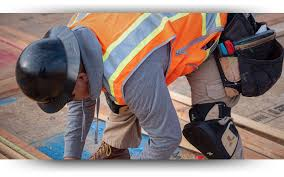
The Suspension System: The Part of Your Hard Hat That Actually Saves Lives
When you think about hard hats, most people automatically assume the hard shell saves their heads. They pick it up, knock on it a few times and assume it’s solid enough. But when an impact occurs, that’s not what happens. It’s not the hard shell that keeps your brain safe; it’s the suspension system inside. Its network of straps and the air pocket between it and the hard shell are what create the right distance from your skull to absorb the impact and prevent impact injuries.
Your shell may be flawless, but if your suspension is broken, too loose, poor quality to begin with, or too tight, you’re left with an expensive piece of molded plastic that has little to no give when something strikes you.
How Suspension Systems Actually Work
Suspension systems are the critical distance between your head and the hard shell. When something strikes a hard hat, it flexes the hard shell and distributes impact force. The straps of the suspension system provide a temporary displacement that absorbs energy instead of transferring directly into your skull. Essentially, over mere milliseconds, the impact dissipation prevents headaches or worst case scenario, traumatic brain injuries.
Most suspension systems consist of cradles with multiple straps that encompass the head of the wearer. Straps connect to the hard shell at various vertices expected to bear force via different angles. The crown strap is designed for vertical impacts while the lateral and rear impact straps are angled towards side and rear movements. In industries where lateral impacts are more common, an upgraded safety helmet exists for enhanced side suspension support so that should an unfortunate strike come from a sideways position, there’s added protection.
The typical distance from your head to the hard shell is 1-1.25 inches. This seems unreasonably small but it’s truly calculated to not only afford energy absorption but also not be too bulky and imbalanced. If the suspension is too close to your head, it does not have time to compress to absorb energy. If it sits too far away from your head, it becomes unwieldy and likely to fall off.
Why Cheap Suspension Systems Fail
Not all suspension systems are created equal, however. When a worker is on a budget compared to when they’re investing in a high-quality hard hat, this difference shows up when it matters most. Cheap suspensions feature thinner straps with less connection points. They may not feel bad against your head, but during impact, their failure to absorb energy is evident in how they may deform.
Material quality matters. Lower quality plastics and fabrics rapidly degrade quicker than they stand up to tests. In areas with temperature extremes or chemical exposures, suspensions take a hit. A suspension exposed daily to UV sunlight and positive temperature deviations may lose pliability within six months even though externally, it looks fine. Straps become brittle where they cannot stretch adequately to absorb impact energy.
Low quality suspensions also eliminate the nape strap or use one single strap instead of a split version. This creates pressure points and fails to hold balance. Where a helmet shifts with normal operations, when a strike occurs, it strikes at an unintended angle.
The Adjustment Problem Nobody Talks About
Few mention how safety programs give you a helmet but fail to teach you how to adjust the suspension system properly. The knob at the back isn’t just for comfort; it’s for situating how low or high on your head the system will sit, further impacting how much energy can be absorbed during an impact.
A suspension system too loose will allow a helmet to spin like a basketball on a finger as soon as a worker shakes their head. First, this means if the helmet attempts to spin upon impact, it will strike in an area not meant for absorbing impact since it’s been misaligned in position. Second, if a helmet spins off during normal movement, chances are great it’s going to come off entirely when someone bends over or falls. The only way someone can feel comfortable with this is by merely tightening the chin strap; yet all this does is create additional pressure points that fail to resolve the issue.
READ MORE : The Support Systems Every Family Needs After a Complicated Birth
Too tight is almost worse than too loose. A tight suspension eliminates any distance between your head and the hard shell absorbing energy; instead, it creates more compression. It risks casuing headaches and pressure sores making them less likely to wear them all day long anyway. Instead, suspensions should be adequately tight so when one shakes their head no, it doesn’t move; when a finger can fit two fingers comfortably between a strap and their head, there’s enough room for optimal comfort.
Signs Your Suspension Needs Replacement
Few replace their hard hats when they need to unless the shell cracks or obtains major denting; instead, the suspension system tends to fall apart before people really care about it. But suspensions deteriorate quicker than the shell in most cases anyway.
Check for signs of strain: straps that fail to bounce back after stretched and pulled apart as well as discoloration or fading (signs of UV exposure); cracks through any strap material (since they’re all made of something) or torn areas; broken or loose attachment points where straps connect to the molded hard shell; permanent deformation where the strap literally stretches out and won’t return back to its original position.
Sweat and body oils break down materials over time as well; that yellowish discoloration on the band where someone sweats? It’s sweat but most importantly, it’s material being compromised. The oils from sweat cause plastics/fabric materials to lose integrity faster than outside elements.
Even without visible damage, suspensions should be changed every twelve months under normal working conditions; every six months if there are extreme heat, cold or chemical factors involved in their wear time. The shell may last five years; the suspension likely won’t make it past two years while still providing reliable protection.
The Comfort-Safety Connection
There is an inherent connection between comfort and safety compliance when it comes to suspensions. If it’s uncomfortable or awkward going into something, people avoid it like the plague. If they’re sweaty and hot while working with their hard hats on, they find excuses not to wear them until retribution comes their way.
Better suspensions come equipped with additional features like padded browpads, moisture-wicking bands and channels that reduce heat generated. These aren’t comfort options; they’re practical add-ons that increase wear time. A person wearing their helmet is better off than a technically superior helmet sitting in their truck because the person couldn’t stand theirs on their head all day due to discomfort.
Some new designs allow for customization; different sized cradles, adjustable heights and various comfort padding options help workers customize what works for them best relative to their head size/hair type/ work conditions (high heat/cold) so they know they’re protected better by keeping proper spacing during standards operations compared to wrong adjustments due strictly to assumptions.
What You Should Actually Look For
When checking out a hard hat, get underneath it and look at the suspension first before worrying about the shell. Count how many attachment points connect (six are better for dispersed force at impact). Assess how thick a strap is while noticing if they’re flexible or brittle. Check if there’s an adjustment mechanism that’s easily manipulated and not chipped down so adjusting is difficult.
The best test is the shake test: put on the helmet, let it sit into position after sizing it up, shake your head side to side/up down. The helmet is supposed to move with you – not on you – with no sliding or pressure points against your head.
Quality suspensions may cost a little more up front but they protect better last longer. Given how expensive head injuries can be as one of the most damaging workplace incidents aside from other injuries sustained (the costs incurred for people having concussions versus lost work time/follow up visits), investing in reliable systems make more sense than meeting minimum safety regulations regardless of minimum costs per head (just a few extra dollars for reliable systems make more sense when it’s multiplied by hundreds of persons).
All it takes is one person avoiding a concussion because their working system works relative to expectations and manufacturer’s standards fulfilled that all others become worth their weight in gold still regardless of price points elsewhere!