
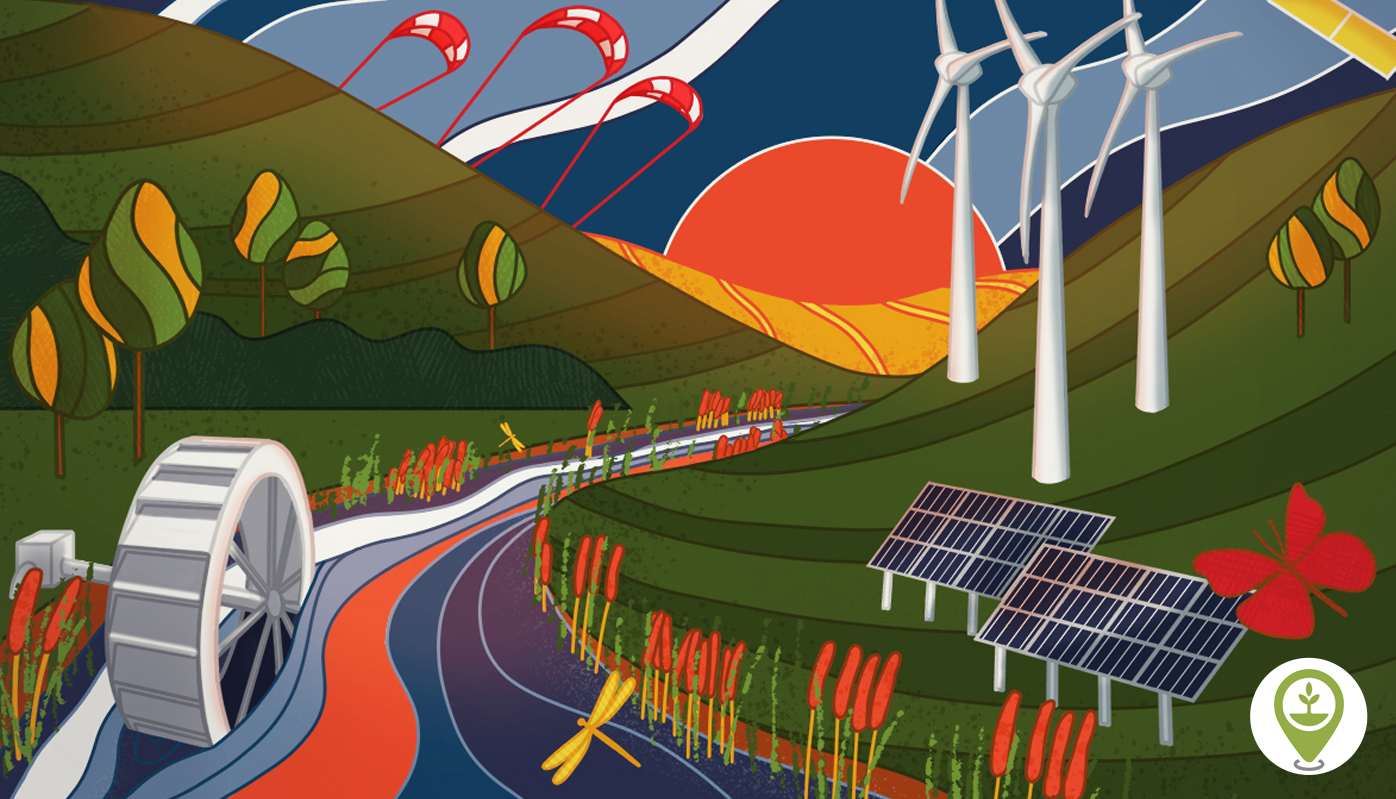
How Industrial Innovation Is Reshaping Climate Action
Industrial innovation is transforming how the world tackles climate change. By rethinking long-standing practices and adopting new technologies, industries can reduce carbon emissions, improve energy efficiency, and contribute to sustainable growth. Here’s a closer look at the ways innovation is reshaping climate action.
Carbon Capture and Utilization
Carbon capture technology is one of the most significant advancements in industrial climate action. It isolates carbon dioxide emissions from industrial sources and either stores them underground or converts them into useful products. While carbon capture has been around for years, recent innovations have made it more efficient and affordable, allowing wider adoption.
A leading example is Carbon Clean, which develops modular, cost-effective carbon capture solutions for industrial facilities. By reducing the energy and capital costs of traditional systems, Carbon Clean enables companies to implement carbon capture more quickly and at scale, making a meaningful impact on emissions.
Electrification and Energy Efficiency
Electrification is another key area of innovation. Industrial processes that previously relied on fossil fuels are increasingly switching to electric alternatives powered by renewable energy. Electric furnaces and heat pumps now achieve the high temperatures needed for many industrial processes, reducing reliance on gas or coal.
Energy efficiency remains a core strategy. Advanced sensors and AI-driven analytics help manufacturers optimise operations, monitor energy use in real time, identify inefficiencies, and implement corrective actions. Even small efficiency gains can lead to substantial reductions in emissions when scaled across the global industrial sector.
Sustainable Materials and Green Hydrogen
Industrial innovation is also influencing the materials themselves. Alternative chemistries and sustainable materials are replacing carbon-intensive inputs. One promising solution is green hydrogen, produced by using renewable electricity to split water molecules. When used as fuel, green hydrogen emits zero carbon, offering a sustainable option for high-temperature industrial processes.
These innovations in materials and fuels provide industries with the tools to decarbonize processes that are difficult to electrify, further expanding the scope of climate action.
Circular Economy Approaches
The circular economy plays a growing role in industrial sustainability. It focuses on keeping materials in use for as long as possible, reducing waste, and extracting maximum value from resources. Practices like designing products for reuse, remanufacturing, and recycling decrease the demand for energy-intensive virgin materials. As companies adopt circular strategies, industrial emissions drop and resource efficiency improves.
Policy and Market Support
Government policies and regulatory frameworks are accelerating industrial innovation in climate action. Carbon pricing, emissions standards, and incentives for clean technologies encourage companies to invest in low-carbon solutions. Public-private partnerships help fund research and development, lowering the financial risk of scaling new technologies. These measures are turning once-experimental innovations into real-world solutions.
Overcoming Challenges
While progress is encouraging, challenges remain. Some technologies are still emerging and require further refinement. Others need supportive infrastructure or significant investment for widespread adoption. Collaboration across sectors is essential to accelerate deployment and share knowledge.
A Cleaner, More Resilient Industrial Future
Industrial innovation is proving that heavy industry can reduce emissions without sacrificing economic productivity. From carbon capture solutions to electrification, material innovation, and circular economy approaches, industries are adopting new methods to align with climate goals. These innovations are paving the way for a cleaner, more efficient, and resilient industrial landscape.