
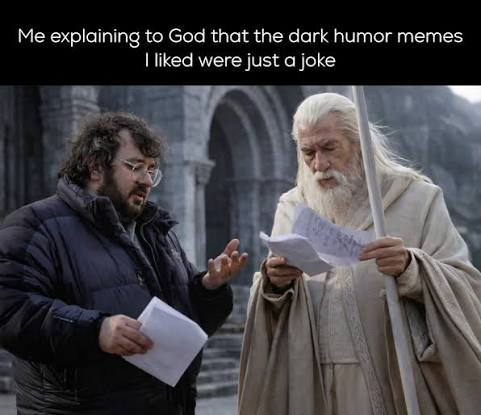
Why Context Matters So Much in Dark and Edgy Humor
Humor can make people laugh, think, or even feel uncomfortable, depending on how it is presented. This is especially true with dark humor content in text, where meaning often depends on the situation, audience, timing, and intention behind the joke. A sentence that feels funny among close friends may sound offensive when shared with strangers. This is why context plays such an important role in dark and edgy humor.
Understanding Dark and Edgy Humor
Dark humor often deals with serious, uncomfortable, or sensitive subjects. It may involve topics such as death, failure, fear, social problems, or difficult life situations. Instead of discussing these subjects in a serious way, dark humor uses irony, exaggeration, surprise, or absurd situations to create laughter.
Edgy humor works in a similar way because it often pushes social boundaries. The humor may challenge common expectations or discuss topics that people normally avoid. However, the purpose of edgy comedy is not always to insult someone. In many cases, comedians use it to point out strange behavior, social contradictions, or uncomfortable truths.
Understanding the surrounding context helps people recognize that difference.
The Audience Changes the Meaning of a Joke
A joke does not exist alone. The people hearing or reading it strongly influence how they understand it. Close friends usually know each other’s personalities, experiences, and sense of humor. Because of that shared understanding, they may recognize when a dark joke is playful rather than harmful.
The same joke can create a completely different reaction online. Social media brings together people from different cultures, backgrounds, age groups, and personal experiences. Someone who sees a joke without knowing the person who posted it may interpret the message literally.
Writers and comedians therefore need to think carefully about their audience. What works in a private conversation may not work on a public platform.
Timing Can Decide Whether Humor Works
Timing has always been important in comedy, but it becomes even more important with dark humor. A joke made immediately after a serious tragedy may feel insensitive because people are still experiencing strong emotions.
The same subject may become easier to discuss through humor after enough time has passed. Comedy sometimes helps people process difficult events, but the right moment can determine whether audiences see the joke as clever or disrespectful.
Professional comedians often understand this principle very well. They carefully control pauses, wording, facial expressions, and delivery because small changes can completely change the reaction of an audience.
Intention and Interpretation Are Different
A person may tell a joke with harmless intentions, but listeners may understand it differently. This difference between intention and interpretation explains many disagreements about edgy comedy.
The speaker knows what they meant, while the audience can only judge the words they heard. If important background information is missing, people naturally rely on their own experiences when deciding what the joke means.
Good dark humor usually gives enough clues to show its purpose. Irony, exaggeration, tone, or an obviously unrealistic situation can signal that the message should not be taken literally.
Cultural Context Also Matters
Humor changes dramatically between cultures. A joke that feels normal in one country may confuse or offend people somewhere else. Every culture has different social expectations, traditions, taboos, and communication styles.
Language also creates challenges. Sarcasm and irony are especially difficult to translate because their meaning often depends on tone and shared cultural knowledge.
Online communities make this issue even more complicated. A joke created for one cultural group can quickly reach millions of people who do not share the same background. Without the original context, the meaning can easily change.
Online Humor Often Loses Important Context
The internet encourages people to communicate through short posts, memes, comments, screenshots, and clips. These formats are excellent for sharing humor quickly, but they can remove important details.
For example, a short video clip may show only the punchline of a longer comedy routine. Without the setup, viewers may misunderstand what the comedian was trying to say.
Screenshots create a similar problem. A single comment can appear much harsher when people cannot see the conversation that came before it. This is one reason online humor can create arguments even when the original audience understood the joke perfectly.
Context Helps Separate Humor From Harm
Dark comedy often tests boundaries, but context helps audiences determine whether a joke challenges an idea or simply attacks someone. Clever dark humor usually contains a recognizable comedic structure, such as irony, absurdity, exaggeration, or social commentary.
Humor becomes more difficult when the joke targets real individuals or vulnerable groups without any clear comedic purpose. In those situations, people may see the content as cruelty rather than comedy.
This does not mean everyone must react to jokes in the same way. Humor remains subjective. However, understanding context allows people to evaluate a joke more fairly before deciding what it means.
Why Shared Understanding Makes Humor Stronger
Some of the funniest jokes depend on shared knowledge. Audiences may need to understand a movie, cultural reference, historical event, social trend, or previous conversation before they understand the punchline.
Dark humor often relies even more heavily on this shared understanding because the subject itself may sound serious when separated from the joke.
This explains why communities often develop their own style of humor. Gaming groups, workplaces, online forums, families, and friend groups create references that outsiders may not immediately understand.
Final Thoughts
Context is one of the most important parts of dark and edgy humor because it shapes meaning, intention, and audience reaction. The same words can feel clever in one setting and inappropriate in another. Audience relationships, cultural background, timing, tone, and surrounding information all help people understand what a joke is trying to communicate. Anyone interested in this style of comedy should consider the full situation rather than judging a punchline alone, and readers who enjoy this type of entertainment can visit Dark Humor Jokes to discover more examples of how dark comedy works in different contexts.