
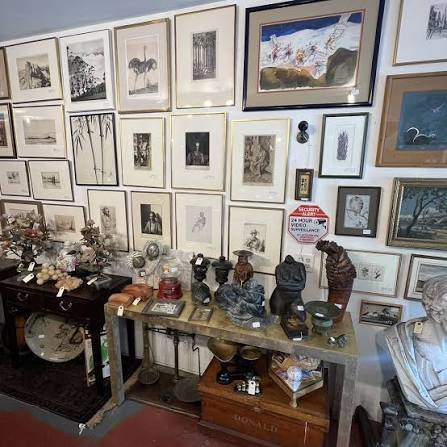
Preparing Inherited Art, Antiques, and Collectibles for Auction in the Bay Area, California
Managing inherited property can feel overwhelming, particularly when a home holds decades of art, furniture, jewelry, books, and family keepsakes. Before making quick decisions, Bay Area families can benefit from creating a careful plan that protects both the objects and the people responsible for them. Experienced consignment services for Bay Area collectors can help evaluate property for auction, but the preparation work begins at home. Whether an estate is in San Francisco, Oakland, Marin County, the Peninsula, or the East Bay, local conditions deserve attention. Coastal fog, changing temperatures, and damp storage areas can be hard on paper, textiles, wood, and metal. A calm inventory process gives heirs, trustees, and estate managers time to identify fragile items, preserve important history, and make informed choices about what to keep, donate, or sell.
Start With a Calm, Organized Review
Rushed cleanouts can separate objects from their paperwork, hide condition problems, and lead to accidental disposal. Begin by choosing one secure, dry room for temporary sorting. Keep children, pets, food, drinks, and unnecessary items away from the work area. If the estate has multiple decision-makers, establish who has authority to move, retain, or sell each item before anything leaves the property. Use simple labels or inventory numbers rather than relying on memory. Keep receipts, old photographs, handwritten notes, auction catalogs, insurance schedules, and even envelopes found with an item. A faded family photograph may help place a painting in a prior home, while a receipt may identify a maker, gallery, or purchase date.
Sort Items by Type, Condition, and Priority
Sorting by category, rather than by room, makes research and auction review more efficient. Create clearly marked groups for paintings and prints, furniture and decorative arts, jewelry and watches, Asian art, books and documents, coins, toys, memorabilia, and general household goods. Keep related objects together when possible, such as a tea service, a set of prints, or a group of letters connected to an artwork. Give priority to items that are easily damaged or easily misplaced. Jewelry, coins, small silver objects, fragile ceramics, documents, textiles, and loose components should be secured promptly. Avoid basements, garages, and sheds when possible, especially if they are subject to moisture, direct sun, or large temperature swings.
Gather Ownership History and Provenance
Provenance is the known ownership history of an object. It may include who purchased it, where it was displayed, when it was inherited, and whether it appeared in an exhibition, in a gallery, or at an auction. Complete documentation is helpful, but even a partial history can provide researchers with meaningful leads. Look for signatures, stamps, stickers, inscriptions, hallmarks, labels, shipping tags, and notes on the reverse of frames or inside drawers. Letters, diaries, and family photographs can be useful as well. The Smithsonian’s guidance on researching art and ownership history offers practical starting points for examining signatures, artist references, and related records.
Photograph and Record Each Piece
Give every object, or closely related group of objects, its own inventory entry. Record a brief description, approximate dimensions, materials, maker or artist if known, visible marks, condition concerns, known history, and the location where it was found. For jewelry and silver, note weights only if they can be measured safely and accurately.
Useful Photography Practices
- Take full front, back, and side views.
- Photograph signatures, hallmarks, labels, and inscriptions closely.
- Document chips, tears, repairs, stains, and missing pieces.
- Use even natural light when practical, without placing delicate objects in harsh direct sunlight.
- Photograph supporting paperwork separately, then save it under the same inventory number.
Avoid Cleaning and Repairs That May Reduce Value
Older objects do not need to look new to be desirable. Polishing silver aggressively, refinishing furniture, washing old textiles, removing a painting from its frame, or repairing ceramics with household glue can alter original surfaces and complicate later assessment. Dusting gently may be appropriate in some situations, but do not use water, solvents, metal polish, tape, glue, or commercial cleaners before obtaining informed advice. The goal is preservation, not improvement. If an object appears unstable, wrap it loosely in clean, acid-free tissue or, when suitable, place it in a padded box, and then seek guidance from a qualified conservator or auction professional before treatment.
Research Value Without Guesswork
Insurance value, replacement value, retail asking price, and likely auction result are different measures. An online listing reflects what a seller hopes to receive, not necessarily what buyers have paid. Better comparisons consider recent sales of genuinely similar objects, including maker, age, size, condition, materials, rarity, provenance, and completeness. Inherited property can also raise tax-record questions. The IRS explains that basis is used to determine gain or loss when property is sold, and its discussion of inherited property and basis records is a useful reference point. Estate representatives should retain valuations and sale documents and consult a qualified tax professional for advice specific to the estate.
Prepare for an Auction Review
A concise, well-organized submission helps an auction specialist understand what is being offered. Include clear photographs, measurements, known damage or repairs, copies of relevant receipts or appraisals, family history, and any estate deadlines. Mention whether additional related items exist, since a collection may provide useful context even when pieces are ultimately sold separately.
Review Fees, Timing, and Sale Terms
Read every consignment agreement before signing. Ask how seller fees are calculated, whether a reserve is appropriate, who pays for transport, storage, insurance, photography, and shipping, and what happens if an item does not sell. Also, confirm when the settlement is expected and whether the item may be offered again. Cataloging, research, photography, marketing, and scheduling can take time, so estate plans should allow for a measured process.
Common Mistakes to Avoid
- Discarding paperwork before it is reviewed.
- Assuming an old object is automatically valuable.
- Using a single online price as proof of value.
- Cleaning, refinishing, or repairing before examination.
- Mixing approved sale items with family keepsakes.
- Moving fragile pieces without padding or support.
- Accepting sale terms without understanding fees and timing.
A Simple Pre-Auction Checklist
- Confirm who has legal authority to sell the property.
- Create an inventory with photographs and measurements.
- Collect receipts, appraisals, correspondence, and family records.
- Store objects in a secure, dry, stable environment.
- Do not clean, refinish, or repair items without advice.
- Request clear explanations of sale terms, costs, and timing.
- Keep copies of inventories, agreements, and settlement records.
Final Thoughts
Thoughtful preparation can protect both inherited objects and the family history attached to them. By carefully documenting property, preserving its condition, researching it realistically, and asking clear questions before consignment, Bay Area estate representatives can approach an auction with greater confidence and fewer avoidable surprises. Keeping photographs, provenance records, appraisals, receipts, and other supporting documents organized can also make it easier to provide accurate information during the auction process. Taking time to understand potential fees, transportation needs, insurance, and sale terms can further help representatives make practical decisions while ensuring that valuable or unusual items receive appropriate attention.