
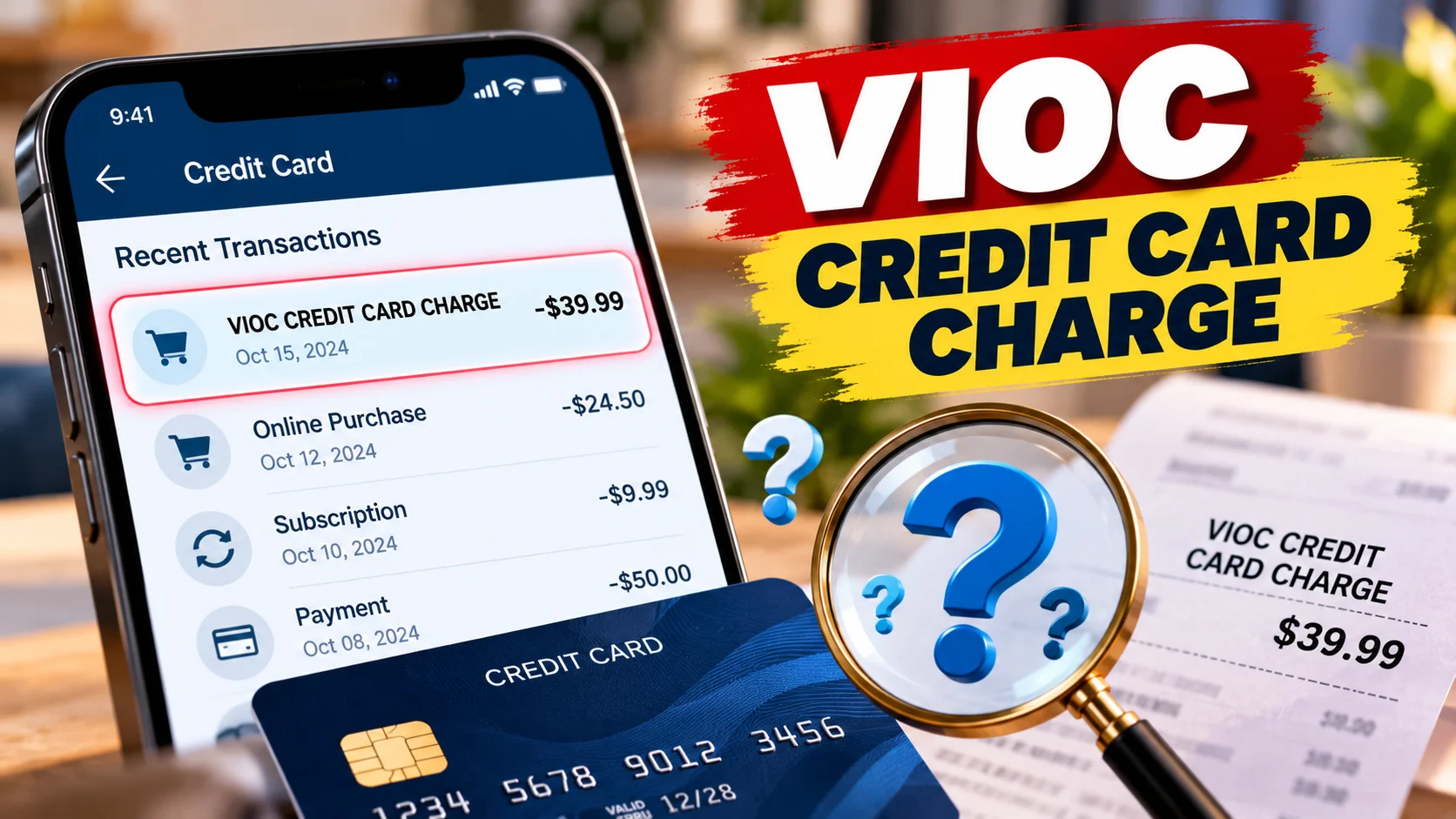
What Is a VIOC Credit Card Charge?
A VIOC credit card charge generally refers to a transaction connected with Valvoline Instant Oil Change. VIOC is the commonly used abbreviation for the vehicle maintenance service brand. A charge may appear after an oil change or another service performed at a participating location.
The descriptor may not show the exact shop name or the service you purchased. To confirm the transaction, compare its date and amount with your service receipt, appointment records, and recent vehicle maintenance.
What Does VIOC Mean on a Credit Card Statement?
VIOC stands for Valvoline Instant Oil Change, a drive-through automotive maintenance service. Customers may see the abbreviation or a variation of the brand name on a bank or credit card statement.
The transaction may cover an oil change, fluid service, filter replacement, wiper blades, battery service, or another product purchased during a visit. The descriptor alone does not show which service was performed, so your receipt is the best starting point.
Is VIOC the Same as Valvoline Motor Oil?
Not necessarily. VIOC refers to the service business, rather than simply identifying a bottle of motor oil purchased from a retail shop. A purchase from an auto parts store may appear under that retailer’s name instead.
If you recently visited a Valvoline Instant Oil Change location, compare the amount with the invoice. If you only bought a product from another retailer, review that store’s receipt before matching the transaction.
Why Does the Statement Show VIOC Instead of the Shop Address?
Card issuers display merchant names and payment descriptors supplied through payment systems. The statement may show a shortened brand name, location detail, or transaction code. The location shown in your banking app may not be formatted exactly like the address on your receipt.
Open the transaction details to check whether the issuer provides more information. If the location or amount still seems wrong, contact the service center or your card issuer.
What Services Could Cause a VIOC Charge?
An oil change is a common reason for a VIOC transaction, but it may not be the only service involved. Customers sometimes approve additional maintenance during a visit.
Possible items include:
- Conventional, synthetic blend, or full synthetic oil service.
- Oil filters or other replacement filters.
- Windshield wiper blades.
- Battery testing or replacement.
- Fluid checks or fluid replacement.
- Other maintenance products or services listed on the invoice.
The actual charge depends on the services provided, vehicle requirements, local pricing, and any discounts applied. Do not rely on a generic online price to determine whether your exact transaction is correct.
How Can You Verify a VIOC Credit Card Charge?
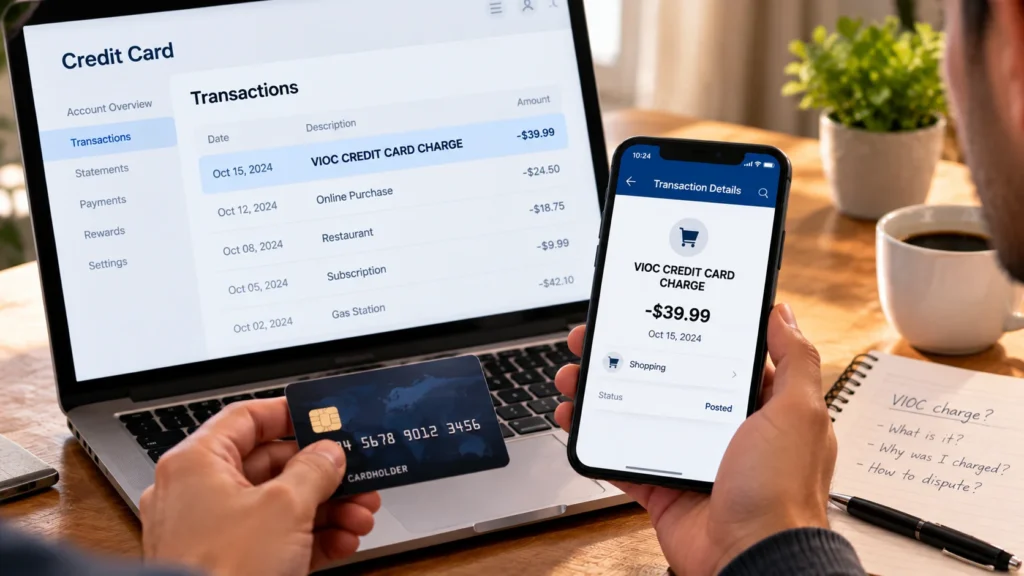
The quickest method is to compare the statement entry with your service records. If the transaction matches a recent visit, check that the total reflects the work you approved.
1. Find Your Service Receipt
Check your printed invoice, email receipt, text confirmation, or appointment records. Compare the total, date, and location with the bank statement. Look for separate line items that explain any additional work.
2. Ask Other Authorized Cardholders
A family member or another authorized user may have taken the vehicle in for service. Confirm whether someone else used the card before reporting the charge as unauthorized.
3. Contact the Valvoline Location
Use the official Valvoline Instant Oil Change website to locate the relevant service center or customer support channel. Provide the transaction date, amount, and receipt details needed to identify the visit. Avoid sending full payment-card details through unsecured messages.
4. Check Whether the Payment Is Pending
A pending transaction may not represent the final amount. If the transaction has not posted, monitor the account and compare the settled total with your invoice. Contact your bank if it remains unresolved or posts incorrectly.
What Should You Do If You Do Not Recognize the VIOC Charge?
If no one authorized to use the card recognizes the payment, contact the card issuer promptly. Explain that the merchant descriptor is unfamiliar and ask how to report a potentially unauthorized transaction.
The issuer may recommend locking the card, replacing it, or filing a dispute. Review other recent transactions for unfamiliar activity and save the case number provided by the bank.
If you recognize the service visit but dispute the amount, contact the service center first and request an itemized explanation. Keep the invoice and any communication. If the merchant cannot resolve a valid billing concern, follow your issuer’s formal dispute process.
How Can You Prevent Confusion About Future VIOC Charges?
Ask for an itemized invoice before leaving the service center. Review the total and confirm that any recommended add-on work has been approved. Keep a digital copy of the invoice until the payment has posted correctly.
Enable card transaction alerts if your bank offers them. These notifications can help you connect a purchase with a statement entry while the details are fresh.
For more examples of unfamiliar financial descriptors, read our guides to a BP FDMS CAT charge and a Corporate Filings LLC charge. If you are researching a legal matter rather than a bank transaction, see our explanation of how to get a resisting arrest charge dropped.
Frequently Asked Questions
What Company Is VIOC?
VIOC is an abbreviation for Valvoline Instant Oil Change, a vehicle maintenance service business. A VIOC descriptor usually points to a service transaction, but you should compare it with your receipt before confirming the source.
Why Did Valvoline Charge My Card?
The payment may relate to an oil change or another service or product purchased at a location. Check your invoice and ask the shop for details if the amount differs from what you expected.
Is a VIOC Charge a Subscription?
A typical VIOC transaction relates to a service visit rather than a standard recurring subscription. If you see repeated charges you cannot explain, review each date and contact the merchant or your card issuer.
Can I Dispute a VIOC Credit Card Charge?
Yes. Contact the service center if the amount appears incorrect, or your card issuer if you believe the payment was unauthorized. Follow the bank’s process and keep your receipt and transaction records.
Research References
Check the official Valvoline Instant Oil Change website for service-center information. For unfamiliar or unauthorized card activity, review the CFPB’s guidance on disputing credit card charges.
Final Takeaways
A VIOC credit card charge usually relates to Valvoline Instant Oil Change services or products. Confirm it by matching the statement date and amount with your service invoice. If the charge is incorrect, ask the shop to explain it. If you did not authorize the transaction, contact your card issuer promptly and follow its dispute instructions.