
How the Age and Condition of a House Affect Its Sales Price
When preparing to sell a house, understanding the factors that impact its market value is crucial. Among the many elements influencing how much buyers are willing to pay, the age and condition of the property play a central role. Both can dramatically affect how quickly a home sells and the final sale price it achieves. In a competitive market, understanding what drives buyers’ decisions can help you position your home for the best possible outcome. Whether you want to maximize your investment or sell your house fast, understanding the interplay between age and condition is a smart first step toward a successful sale.
The perception of a property’s value often starts the moment a potential buyer views its details online or sets foot on the premises. While some buyers are attracted to historic features and timeless charm, others are drawn to modern upgrades and turnkey convenience. Recognizing what your home offers and what today’s buyers want can shape the strategies you use prior to listing. From basic maintenance to thoughtful improvements, sellers have many options to drive better offers and limit time on the market.
The market’s appetite for homes of various ages and conditions changes over time and differs by region. For instance, a well-preserved vintage home in a historic district may receive a premium, while brand-new builds with energy-efficient features might take center stage in rapidly growing suburbs. Ultimately, buyers’ willingness to pay more or less for a property will be influenced by both visible and invisible attributes. Addressing these factors proactively can help you achieve a faster sale and a higher price.
Alongside age, ongoing maintenance and structural soundness are crucial concerns. Problems that seem minor at first glance, such as leaky faucets or chipping paint, can raise red flags for buyers seeking a hassle-free purchase. If you are considering cosmetic updates or structural repairs before entering the market, knowing which investments offer the best return will serve you well.
Age of the Property
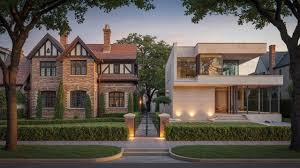
The age of a home can either add significant value or present notable challenges. Older homes often offer architectural detail and craftsmanship that are hard to replicate in new construction. For buyers seeking character, features such as crown molding, hardwood floors, or stained-glass windows will be highly appealing; many will pay a premium for these original elements, particularly in established neighborhoods or historic districts. Buyers value older homes when they have been maintained and upgraded to meet current standards without losing their charm.
Conversely, new homes may lack a sense of history but come with modern layouts, new appliances, and optimized energy efficiency. These factors tend to attract buyers who want to avoid immediate repairs and upgrades. Studies show that homes built within the past decade are likely to command higher prices than their older counterparts, especially when local supply is low. Older houses can still compete, but typically only if they match or exceed the condition of newer listings within the same price bracket.
Condition and Maintenance
Condition is king when it comes to influencing a home’s sales price. Homes that are meticulously cared for project value and confidence to potential buyers. Investment in regular maintenance, such as minor repairs, HVAC servicing, and routine cleaning, can prevent larger, more expensive issues from developing over time. Cleanliness and general appearance also matter. Even cosmetic details like fresh paint or new flooring can transform the impression buyers take away from a showing.
Failing to keep up with routine maintenance can lower perceived value and slow down the sales process. A property showing signs of neglect, even on relatively minor issues, can make buyers hesitant, leading to longer days on market and increased likelihood of price reductions. Homes in good to excellent condition consistently attract more attention and higher offers than comparable properties that require work.
Renovations and Upgrades
Upgrades and renovations can significantly influence the sale price, especially in markets where buyers seek move-in-ready homes. Projects like kitchen and bathroom updates and smart home technology often deliver a strong return on investment. When considering which renovations to pursue, focus on universally appealing updates rather than highly personalized or niche projects. Kitchens and bathrooms, in particular, are areas buyers scrutinize closely because they are expensive to update after purchase.
Cosmetic changes such as modern fixtures, neutral color palettes, and new lighting are relatively affordable but can have a powerful impact on first impressions. However, over-improving or going beyond what is customary for your area may not translate to a higher sale price. Consulting with a real estate agent can offer insights into which projects will generate the highest returns for your market and property type.
Energy Efficiency and Modern Features
Energy-efficient upgrades and smart home features are increasingly important in today’s market. Items such as new windows, advanced insulation, solar panels, or ENERGY STAR-rated appliances not only help reduce utility costs, but they also appeal to environmentally conscious buyers. Listings for homes with these features often highlight them as key selling points, and many buyers are willing to pay more for these enhancements. Over time, the emphasis on sustainability will likely grow, further increasing the importance of energy-related improvements.
Properties that lack up-to-date mechanical systems or rely on outdated technologies may see diminished interest and receive lower offers, even if other aspects of the property are appealing. Prospective buyers will often factor in the future cost of upgrades when deciding how much to offer.
Location and Neighborhood Trends
No discussion of home value is complete without considering location. An older home in a coveted school district or vibrant, revitalized neighborhood could easily outperform newer homes located in less desirable areas. On the other hand, rapidly developing neighborhoods tend to favor new construction and homes that match evolving buyer expectations. Local infrastructure, schools, shopping, and transportation options all affect how much buyers are willing to pay, regardless of a home’s age or condition. Keeping an eye on local trends and recent comparable sales can provide invaluable context for your pricing and marketing strategy.
Pricing Strategies Based on Age and Condition
Pricing your home correctly is perhaps the most important decision you will make when selling. Overpricing an aging or poorly maintained home can lead to fewer viewings, extended time on the market, and eventual price reductions. Conversely, pricing a well-cared-for home too low means leaving money on the table. Professional appraisals and consultations with real estate agents can provide realistic assessments tailored to your home’s specific features. Using competitive pricing strategies can generate more buyer interest and, often, multiple offers that drive the final sale price upward.
Conclusion
The age and condition of a house remain among the most influential factors in setting its sales price. Maintaining your property and making smart, market-driven upgrades can make the difference between a prolonged sale and a swift, profitable transaction. By staying informed about current trends and buyer preferences, sellers can confidently prepare their homes to attract strong interest and secure the best possible outcome.