
Integrating D365 CE with Microsoft 365 for Unified Customer Data Management
In today’s digital business environment, customer data is the backbone of meaningful engagement and informed decision-making. Yet for many organizations, this data remains fragmented across departments, tools, and communication channels. Sales, service, and marketing teams often operate with limited visibility, leading to disjointed experiences and missed opportunities.
Siloed data slows response times, weakens personalization, and undermines customer trust.
The answer lies in integrating customer relationship platforms with the collaboration tools employees already use every day. By connecting Dynamics 365 Customer Engagement, organizations can create a single, reliable source of truth that powers collaboration, insight, and consistent customer experiences.
Why Unified Customer Data Management Matters
Customers expect seamless interactions regardless of which team they engage with. When information is fragmented, even a single disconnected interaction can erode confidence and loyalty.
Without unified customer data:
- Sales teams lack the full context needed for effective negotiations
- Service teams struggle to resolve issues efficiently
- Marketing campaigns miss relevance and timing
Integrating customer engagement systems with collaboration platforms ensures every team works with the same accurate, real-time information. This alignment enables faster decisions, consistent messaging, and a more coordinated customer journey.
The Role of Customer Engagement Platforms
Customer engagement platforms manage the entire customer lifecycle, spanning sales, service, marketing, and field operations. Each function generates valuable data, from lead activity and case history to campaign engagement and service outcomes.
On their own, these insights are powerful. When integrated with Microsoft 365, they become actionable across the organization, embedded directly into daily workflows rather than locked inside a standalone system.
How Microsoft 365 Integration Creates a Connected Experience
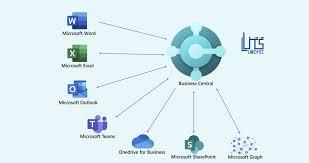
Microsoft 365 tools such as Outlook, Teams, Excel, and SharePoint sit at the center of day-to-day business operations. Integrating them with customer engagement platforms ensures customer data flows naturally into where work happens.
Centralized Communication Through Outlook
Email tracking, meetings, and tasks can be linked directly to customer records. Teams no longer need to switch systems to understand the full communication history, ensuring continuity regardless of who engages the customer.
Real-Time Collaboration with Microsoft Teams
Customer records, opportunities, and service cases can be discussed directly within Teams channels. Updates, documents, and notifications stay visible to all stakeholders, reducing delays and unnecessary status meetings.
Actionable Analysis with Excel and Power BI
Customer and engagement data can be analyzed in familiar tools. Live dashboards help leaders monitor pipeline health, service performance, and campaign outcomes, turning data into timely decisions rather than static reports.
Structured Document Management with SharePoint
Contracts, proposals, and service documents are stored centrally and linked to customer records. Version control and role-based access ensure accuracy, security, and compliance without sacrificing accessibility.
Turning Data Into Insight, Not Just Visibility
Unified data delivers its greatest value when it drives understanding. By connecting engagement data with analytics and reporting tools, organizations gain deeper visibility into customer behavior, preferences, and trends.
When paired with customer insights software, businesses can move beyond basic reporting to identify patterns, predict needs, and tailor engagement strategies proactively rather than reactively.
Business Benefits of Unified Customer Data
Improved Customer Experience
Customers benefit from faster, more personalized interactions because every team member operates with the same context.
Increased Team Productivity
Employees spend less time searching for information and more time engaging customers meaningfully within the tools they already use.
Better Decision-Making
Real-time insights enable leaders to identify risks, spot opportunities, and adjust strategies quickly.
Stronger Cross-Functional Collaboration
Sales, service, marketing, and operations align more easily when communication, data, and documents are connected.
A Practical Example of Unified Data in Action
Consider a manufacturing organization integrating its customer engagement platform with Microsoft 365:
- Sales tracks all customer communication directly through Outlook
- Marketing analyzes engagement trends using Power BI dashboards
- Service teams collaborate in Teams to resolve complex issues
- Contracts and service records are stored securely in SharePoint and linked to customer profiles
The outcome is faster response times, consistent messaging, and higher customer satisfaction driven by shared visibility and collaboration.
Security, Compliance, and Scalability
Integration does not compromise security. Built on Microsoft’s cloud infrastructure, both platforms support encryption, access controls, audit trails, and compliance with global regulations such as GDPR.
As organizations expand into new markets or scale operations, the integration grows with them, maintaining governance without limiting agility.
Getting Started with Integration
A successful integration strategy begins with:
- Assessing where customer data currently resides
- Defining clear business objectives
- Involving stakeholders across departments
- Implementing high-impact integrations first
- Training teams to use connected workflows effectively
A phased approach ensures quick wins while laying the foundation for long-term value.
Final Thoughts: Making Customer Data a Strategic Asset
Unified customer data is no longer optional. It is a competitive differentiator.
By integrating customer engagement platforms with Microsoft 365, organizations break down silos, empower teams, and deliver consistent, connected customer experiences. Communication becomes contextual, insights become actionable, and collaboration becomes effortless.
For organizations ready to turn fragmented information into a strategic advantage, this integration is a decisive first step toward smarter, customer-centric operations.
Attracting the Best: The Role of Brand in Talent Acquisition