
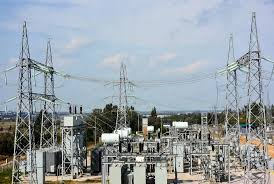
Modern Transformers: Powering the Future of Electrical Infrastructure
The Backbone of Electrical Infrastructure
Transformers play an indispensable role in the daily functioning of our societies. As the core link between electricity generation and end-user consumption, these vital components ensure that energy is delivered safely, efficiently, and at the right voltage to homes, businesses, and industrial users. Without them, the sprawling web of today’s electrical grid would lose its stability, and the switch to modern, sustainable technologies would slow dramatically. When power grids must evolve to keep up with new technologies, one solution increasingly considered is the dry type transformer, which offers enhanced safety profiles and flexibility for contemporary distribution networks.
As electrification expands into transportation, manufacturing, and smart cities, transformers act as the steady backbone supporting this change. Their ability to adapt to shifting demands is tested by rising energy consumption, decentralized renewable generation, and the proliferation of connected devices that require a stable, reliable electricity supply.
Rising Demand and Supply Chain Challenges
Global decarbonization and electrification efforts are significantly impacting the transformer sector, driven by the rise of electric vehicles and the need for extensive charging infrastructure. This shift, alongside increased electricity usage in manufacturing and heavy industries moving away from fossil fuels, presents new challenges for power systems reliant on transformers. Additionally, the rapid growth of the energy-intensive data center industry, spurred by demand for artificial intelligence and cloud services, underscores the need for advanced transformer technology. However, the sector is also grappling with supply chain bottlenecks, as disruptions in the availability of critical raw materials like copper and steel are resulting in extended lead times and unpredictable costs, complicating efforts to meet both immediate and future infrastructure demands.
Technological Advancements in Transformers
Innovative technology is redefining transformer capabilities. Solid-state transformers offer precise voltage regulation and enable seamless integration of renewable energy sources by handling bidirectional power flow. Meanwhile, digital monitoring with IoT sensors facilitates real-time predictive maintenance, maximizing operational uptime and preventing outages before they happen.
Planar magnetic transformers, increasingly used in data centers and advanced electronics, deliver high power in a small footprint while minimizing energy loss. These advancements directly support industry trends toward grid modernization, the adoption of stringent emissions standards, and the need for greater transparency across electric utilities.
Impact of AI and Data Centers
Artificial intelligence and cloud computing are revolutionizing how data is processed, stored, and delivered. Data centers now rank among the largest consumers of electricity, placing additional strain on utility transformers. Reliable, efficient energy distribution is essential to their business models, as downtime and outages directly translate into lost productivity and increased costs.
Transformers built for these environments are designed for scalability, durability, and precision. They enable rapid expansion as demand grows while minimizing energy waste, a crucial factor as sustainability standards increase in importance for large tech companies and governments alike.
Future Outlook
The trajectory for transformer innovation and deployment is clear: bold investments and research are driving the energy transition, underpinned by smarter, more adaptable technology. Greater emphasis on R&D, expansion of production bases, and robust public policy measures will be necessary to navigate future demand spikes, supply uncertainties, and evolving regulatory landscapes.
Throughout this transformation, transformers remain at the core of energy resilience and modernization. Their ongoing development supports the integration of renewables, the electrification of new sectors, and greater grid transparency.
With increased attention from policymakers, engineers, and utility stakeholders, the evolution of transformer technology drives the reliability and advancement of global electrical infrastructure, ensuring energy security and sustainability for decades to come.
Transformers and Renewables Integration
Another critical driver of transformer evolution is the integration of renewable energy resources such as wind, solar, and hydropower. Because these power sources generate electricity at variable voltages and are sometimes located in remote areas, specialized transformers are needed to connect them seamlessly to the grid. Distribution transformers, in particular, have had to adapt quickly to accommodate highly localized power generation and sudden supply fluctuations.
This has led to the emergence of advanced distribution transformer designs that feature regulation capabilities and robust insulation systems, allowing for smoother adaptation as new energy assets come online rapidly. The adoption of networked microgrids, where small clusters of renewable generation and battery storage operate either alongside or independent from the main grid, heavily relies on transformers that can adapt to varying load and fault conditions instantaneously.
Environmental and Regulatory Considerations
Environmental standards have also become a significant factor guiding transformer innovation. Modern dry-type and liquid-immersed transformers are being built with eco-friendly, biodegradable insulating oils and low-loss cores to ensure compliance with emerging regulations on energy efficiency and hazardous material reduction. The push toward sustainability is not only regulatory but also a commercial priority, as consumers and businesses increasingly value decarbonizing the electricity supply chain.
Some governments have introduced stricter mandates and incentives to encourage utility upgrades and the adoption of energy-efficient transformers. Modernization programs funded through public policy are accelerating the replacement of legacy transformers with new, smart alternatives capable of autonomous operation, grid-edge computing, and seamless communication with central control systems.
Workforce and Skills Transformation
With changes in transformer design and deployment, there comes a need for a new generation of technicians, engineers, and system integrators trained on digital platforms, cyber-resilience, and dynamic grid management. As grid-edge devices proliferate, utilities are investing in workforce development initiatives to enable teams to manage, maintain, and upgrade transformers using advanced analytics and remote diagnostics. Upskilling personnel to handle next-generation transformers is now seen as a critical part of long-term infrastructure strategies.
Conclusion
Transformers are crucial for modern electrical infrastructure, facilitating the efficient delivery of power across complex grids. Their importance grows as transportation electrification and smart cities advance, as they help manage demand and integrate renewables. The transformer industry is evolving through innovations like smart monitoring and high-efficiency materials, addressing challenges of reliability and sustainability. Future investments in research and sustainable engineering are vital to meeting energy demands, ensuring grid stability, and advancing the integration of renewables in global energy systems.
read more : Designing Effective Settings and Preferences Menus in Mobile Apps