
The Role of Bail in the Justice System
Bail is a longstanding mechanism in the justice system that allows those accused of a crime to remain out of custody until their court dates. Through financial or personal assurances, courts seek to guarantee that defendants return for trial rather than flee or pose a risk to the community. For many, obtaining help from a local bail bondsman is often necessary to secure temporary freedom while awaiting legal proceedings. This foundational component of the justice process aims to uphold the presumption of innocence until proven guilty, while maintaining public order and compliance with judicial instructions.
The bail process involves the court setting a monetary amount or agreeing to alternative arrangements to ensure a defendant’s appearance. This system theoretically creates a fair trade-off. Defendants can prepare their defense and support their families while still facing consequences if they fail to attend scheduled hearings or trials. However, reality often diverges from these principles, particularly regarding the use and impact of cash bail.
The Cash Bail System and Its Implications
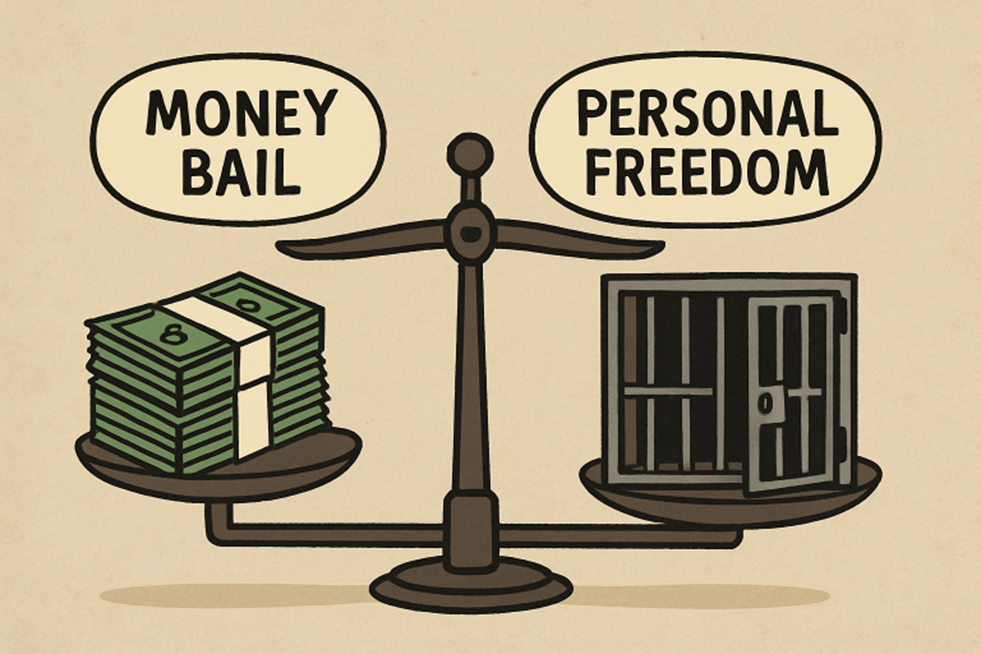
The cash bail system is prevalent in many American jurisdictions. Under this model, a fixed amount of money is required to secure release from jail. Those who can pay are released prior to trial, while those without financial resources remain in pretrial detention. This system has faced widespread criticism as it tends to disadvantage marginalized populations and perpetuates inequity in the criminal justice process. As a result, wealth, rather than risk to society or likelihood of appearing in court, becomes the deciding factor between pretrial freedom and incarceration.
Research has highlighted how these disparities contribute to cycles of poverty and hinder a fair trial for low-income defendants, who may lose jobs, housing, or custody of children while detained. Furthermore, communities of color are disproportionately represented among those unable to pay bail, amplifying broader societal inequalities and leading to calls for meaningful reform.
Recent Bail Reforms Across the United States
In response to the inherent inequalities exposed by the cash bail system, multiple states and cities have enacted significant changes. An example is Illinois, where the Pretrial Fairness Act eliminated cash bail as a pretrial condition. The goal is to ensure no person is jailed simply for lack of funds, representing a step toward a more just and balanced legal system. Similar reforms have been proposed or enacted in states such as New Jersey and California, reflecting a growing national consensus on the need for change.
Impact of Bail Reforms on Public Safety
One major concern often raised about the move away from cash bail is the potential impact on crime and community safety. Critics suggest that releasing defendants without a substantial financial incentive could lead to higher rates of flight or new offenses. Yet, empirical studies reveal otherwise. For instance, data from New York City after bail reform measures indicated that the vast majority of individuals released pretrial complied with court requirements and did not commit serious crimes while awaiting trial.
Challenges and Criticisms of Bail Reform
Despite positive data, bail reform remains a highly debated issue. Some critics argue that reforms may jeopardize public safety if individuals with high risk are released without adequate safeguards. Concerns also exist about the development and potential biases of risk assessment tools, which are sometimes used to determine whether an individual can be safely released pretrial. Balancing individual rights, equity, and community protections remains a central challenge in designing effective reforms that meet the diverse needs of the justice system.
Alternative Approaches to Pretrial Release
As an alternative to cash bail, many states and counties have begun implementing risk-based assessments and supportive interventions. These assessments aim to predict the likelihood of a defendant returning to court and assess whether they pose a substantive risk if released. In addition, measures such as court date reminders, electronic monitoring, and transportation assistance have shown promise in helping defendants comply with pretrial requirements without reliance on money bail. Such alternatives offer a more targeted and equitable approach than the one-size-fits-all model of cash bail.
The Future of Bail in the Justice System
The momentum behind bail reform demonstrates a nationwide commitment to correcting imbalances in the legal system. As reforms continue to roll out and are evaluated, it will be essential for policymakers to remain aware of both the intended and unintended consequences. Ongoing research, community involvement in the communities most affected by pretrial detention, and the willingness to adjust policies based on outcomes will be vital for lasting progress.
Conclusion
While bail is designed to ensure justice and accountability, its traditional implementation through cash payments has led to pronounced inequalities. With the growth of reform efforts and a shift toward risk-based and supportive alternatives, there is a real opportunity to build a justice system that upholds fairness, protects public safety, and recognizes the dignity of every defendant.