
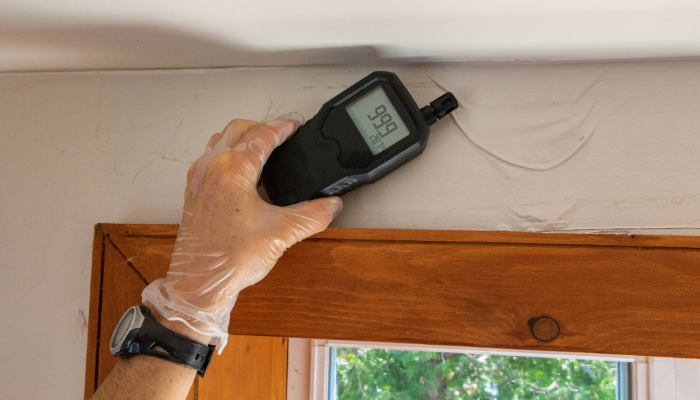
How Moisture Problems Lead to Hidden Home Damage
Table of Contents
- Common Sources of Moisture
- Hidden Damage Caused by Moisture
- Health Risks Associated with Moisture
- Signs of Hidden Moisture Damage
- Preventive Measures
- When to Seek Professional Help
Moisture is a silent adversary in many homes, often causing significant problems before property owners even realize there is a problem. Not only does it threaten the structural integrity of your house, but moisture also fosters environments in which mold and bacteria thrive. Understanding how moisture infiltrates your home and recognizing early warning signs are crucial steps to protecting your investment and ensuring your family’s well-being. For homeowners in Colorado, addressing these concerns with timely water damage restoration Denver services is essential to preserving both property value and comfort.
Ignoring early signs of hidden moisture can lead to costly repairs, reduced air quality, and long-term health complications. By acting quickly, you not only avoid substantial expenses but also minimize potential health risks for everyone living in your home. Effective moisture management starts with understanding where moisture can come from, the risks associated with it, and the steps needed for comprehensive prevention.
Common Sources of Moisture
Moisture can infiltrate your home through various sources. Some entry points may be out in the open, like visible leaks, while others are much more insidious and hidden behind walls or under flooring.
- Leaking Pipes and Plumbing Issues: These are among the most common hidden sources of moisture. Even a slow, undetectable leak can result in long-term damage to your home’s infrastructure.
- Roof Leaks: Damaged, missing, or aging shingles and flashing allow water to seep unnoticed into your attic and ceilings, potentially causing lasting wood rot and mold growth.
- Condensation Buildup: Inadequate ventilation in spaces like bathrooms and kitchens causes water vapor to accumulate, leading to excessive surface moisture.
- Flooding and Water Intrusion: Severe weather or plumbing failures can cause significant water intrusion, posing a high risk of mold and foundation problems.
- Damp Basements and Crawl Spaces: Poor drainage, high groundwater levels, and accidental leaks result in consistent humidity and mold-friendly conditions in these seldom-inspected areas.
- HVAC System Issues: Improperly serviced HVAC units can produce condensation within ducts, leading to hidden damp spots and, eventually, water damage.
Hidden Damage Caused by Moisture
Moisture often causes damage long before visible signs appear. Once water has penetrated building materials, it can lead to a range of destructive outcomes that are often expensive to repair.
- Structural Integrity Loss: Wooden framing, drywall, and insulation are all vulnerable to decay and weakening from even periodic moisture exposure. Over time, this can compromise the entire structure of your house.
- Mold and Mildew Growth: Consistently high humidity or hidden leaks establish the ideal breeding environment for mold, which spreads rapidly and can be very difficult to fully eradicate.
- Electrical Hazards: Water and wiring do not mix. Exposure of electrical systems to moisture may cause dangerous short circuits, increased fire risk, or electrocution.
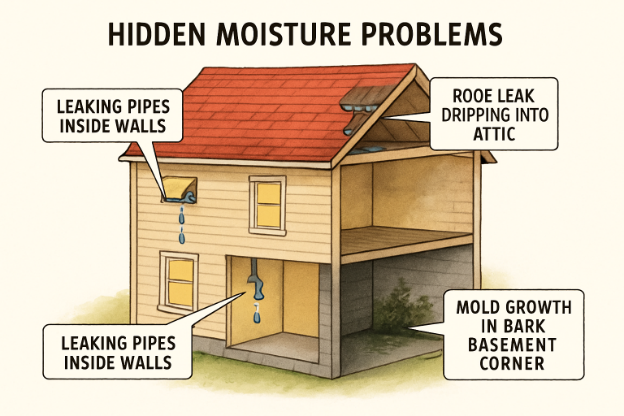
Moisture-related issues in buildings cost billions of dollars annually in the United States and pose both obvious and concealed threats to homeowners.
read more : The Workforce Behind Aging in Place: Who Keeps It Running
Health Risks Associated with Moisture
The negative effects of excess moisture are not confined to property damage. The ongoing presence of moisture dramatically increases the likelihood of mold and bacteria that compromise indoor air quality and human health.
- Respiratory Issues: Mold spores are known triggers for allergies, asthma, and chronic lung conditions, particularly in children and the elderly.
- Skin Irritations: Direct or indirect exposure to mold can manifest as skin rashes or itching.
- Compromised Immune Systems: Long-term exposure to damp, mold-infested environments weakens immune defenses, making inhabitants more susceptible to a variety of illnesses.
Since even small amounts of hidden moisture can lead to these health problems, swift identification and management are crucial.
Signs of Hidden Moisture Damage
Detecting early warning signs is essential in preventing minor issues from escalating into major repairs. Here are some key indicators to watch for:
- Persistent Musty Odors: Lingering damp or earthy smells, especially in basements or closets, are often reliable signals of hidden mold growth.
- Discoloration on Walls or Ceilings: Unexplained spotting, usually yellow, brown, or greenish, typically occurs due to water seepage or leaks.
- Peeling or Bubbling Paint and Wallpaper: When moisture becomes trapped behind surfaces, paint or wallpaper loses adhesion and begins to peel or bubble.
- Warped or Buckling Floors: Excess moisture can cause wooden flooring or laminate to swell and buckle, creating uneven floors.
- Unexplained Increase in Water Bills: Significant spikes in water consumption may point to hidden plumbing leaks.
Preventive Measures
Timely attention and preventive measures are essential for managing moisture and preventing future damage.
- Regular Inspections: Check for leaks in plumbing, roofs, and windows, especially after severe weather or in older homes.
- Maintain Proper Ventilation: Use exhaust fans in bathrooms and kitchens, open windows when weather permits, and keep indoor humidity below 60 percent.
- Use Dehumidifiers: In consistently damp rooms like basements or crawl spaces, a dehumidifier will help regulate humidity and impede mold growth.
- Seal Windows and Doors: Proper weatherization prevents wind-driven rain and snow from seeping through gaps during storms.
- Maintain Gutters and Downspouts: Clean gutters regularly and ensure downspouts direct water at least several feet from your home’s foundation.
When to Seek Professional Help
If you notice any of the above signs or suspect hidden moisture, it is important to contact qualified professionals. Experienced technicians can conduct a thorough assessment, identify root causes, and recommend effective remediation measures. Early intervention can save you time, money, and worry, ensuring your home remains safe, sound, and comfortable for your family.
Staying vigilant about moisture issues is an investment in your home’s long-term health and stability. By recognizing sources and swiftly addressing problems, you can maintain a healthy indoor environment and avoid the surprises that hidden water damage often brings.